 THE PURE JOY OF ASPARAGUS
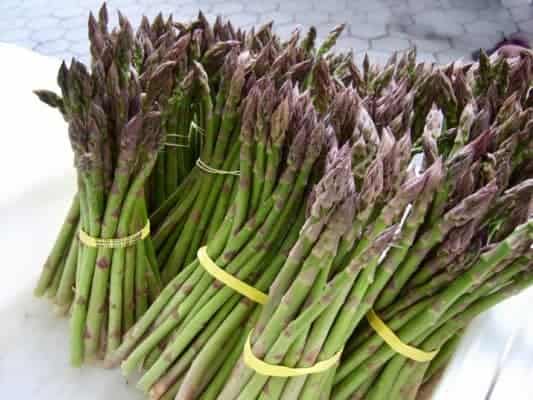
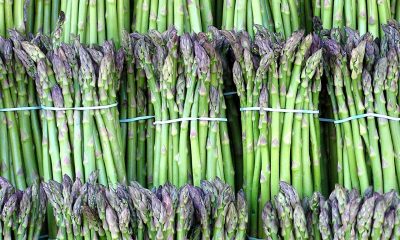
There is always a moment—out here in Bridgehampton, usually just as the farm stands begin to wake up—when asparagus appears and you know the season has turned. Not the calendar. The plate. I’ve got photographs of asparagus grown less than two miles from the house—cut that morning, still cool from the ground, bundled with a rubber band and nothing else. You bring it home, trim it, cook it briefly, and you understand immediately why this vegetable has been prized for thousands of years. Yes, asparagus is now available year-round, shipped from Peru, Mexico, and beyond. But if you want to know what asparagus actually tastes like—clean, sweet, faintly grassy—you wait for spring, and you buy it close to where it was grown. Everything else is a compromise.
WHAT IS ASPARAGUS?

Asparagus is a perennial vegetable harvested in early spring, made up of young shoots that emerge from underground crowns. Left alone, those shoots would grow into tall, feathery plants. We intercept them at their most tender moment. The Romans cultivated it, prized it, and rushed it to table—so much so that Augustus was said to urge haste with citius quam asparagi coquuntur. Faster than asparagus cooks. They weren’t wrong.
WHEN IS IT IN SEASON?
Asparagus season in the United States runs from April through June, with peak flavor in late April and May.
- Best: local asparagus, freshly cut
- Good: domestic but traveled
- Available: imported year-round
If it’s spring and it’s local, don’t overthink it. Buy it.
AND IF YOU CANT FIND ASPARAGUS LOCALLY, YOU CAN BUY IT HERE: https://amzn.to/4ts6j0F
 HOW TO BUY ASPARAGUS (QUICK GUIDE)
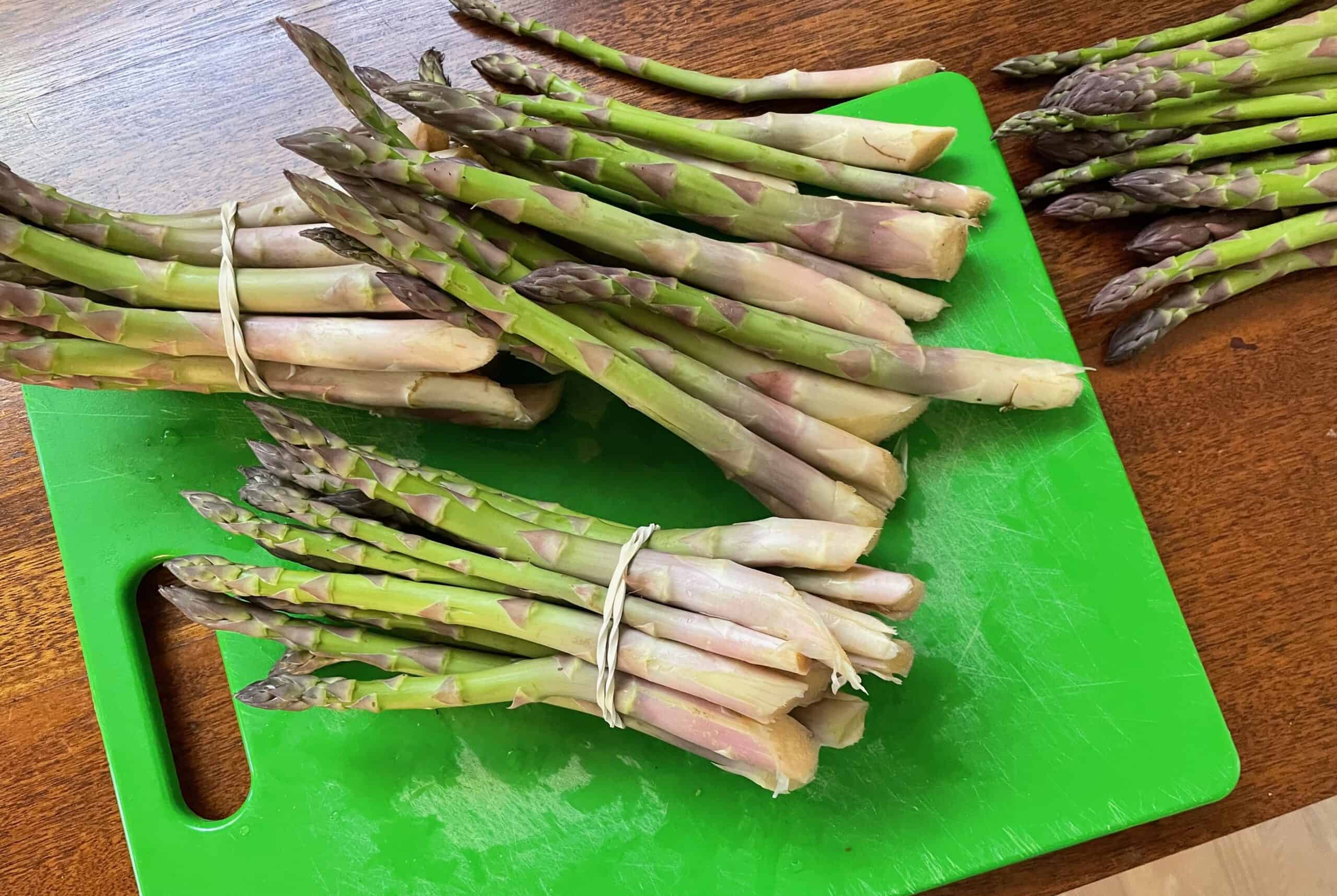
Look for:
- Bright green stalks with tight, compact tips
- Firm spears that snap, not bend
- Ends that look freshly cut, not dried out
THICK VS. THIN?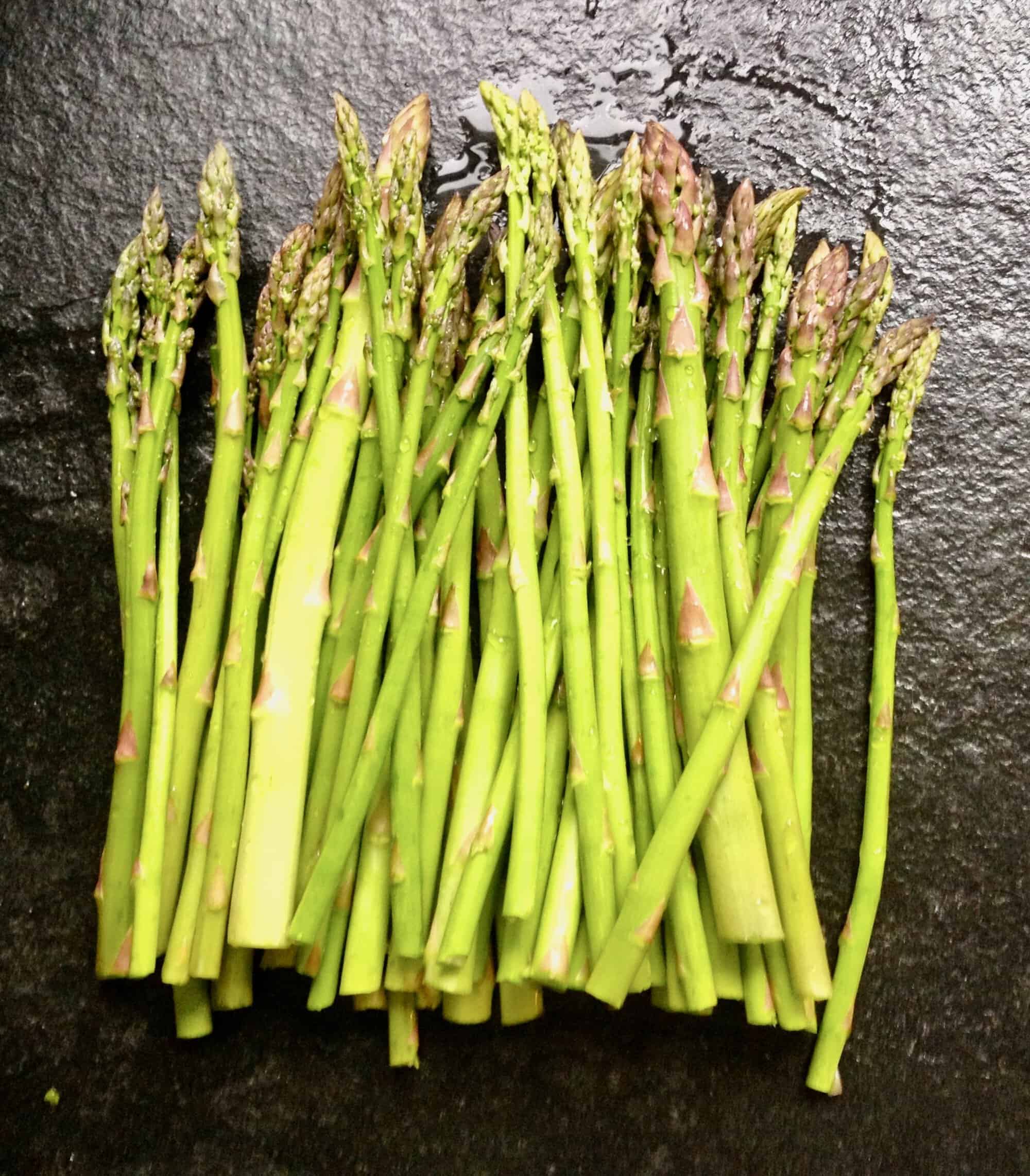
This debate refuses to die, so let’s settle it. Thick asparagus is not tougher. Old asparagus is tougher. Thick spears can be rich, almost buttery on their own. Thin ones cook faster. Choose based on freshness, not fear.
HOW TO STORE ASPARAGUS
Treat it like flowers:
- Trim the ends
- Stand upright in a glass with a little water
- Cover loosely
- Refrigerate
- Best used in 3 to 5 days
ASPARAGUS, UNADORNED
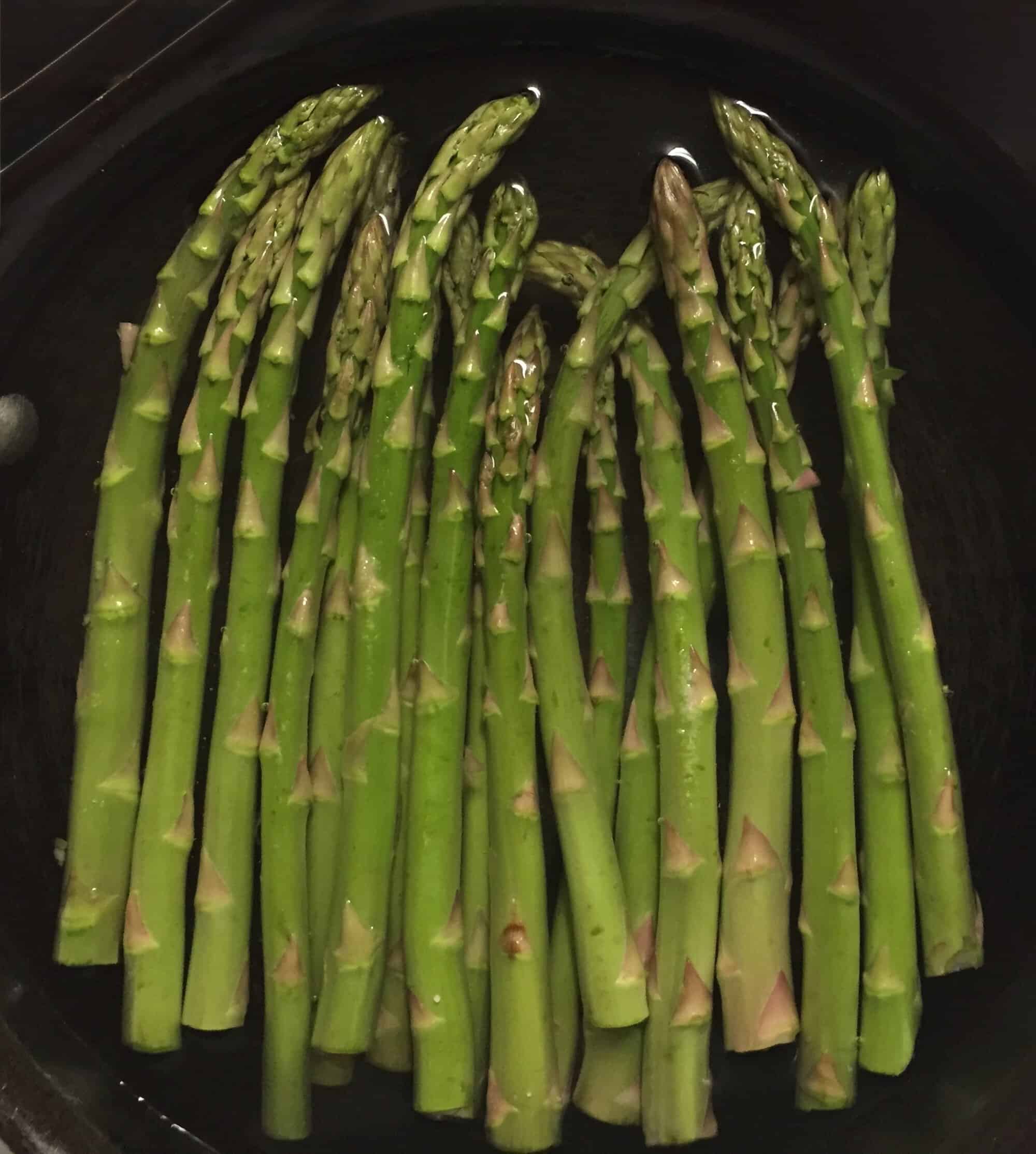
Before we start improving asparagus, it’s worth remembering what it does on its own. Bring a pot of well-salted water to a boil. Drop in the asparagus—thick or thin—and cook just until tender. Two to four minutes, depending on size. Drain it. Add a small knob of butter. A pinch of salt. That’s it. No garlic. No lemon. No Parmesan blizzard. When asparagus is fresh—properly fresh—it already has everything you’re trying to add back in. This is the version that tells you whether you bought well.
HOW TO COOK ASPARAGUS (BEST METHODS)
How to cook asparagus (quick answer): Trim the ends, toss with olive oil and salt, and roast at 425°F for 10–15 minutes until tender and lightly browned.
Best ways to cook asparagus: Roasting High heat, caramelized edges, dependable results. Blanching Quick boil, then ice bath. Bright, precise, and very French. Grilling Best for thick spears. Adds smoke and depth. Sautéing Fast, practical, and ideal for weeknights. Raw or shaved Only when it’s very fresh—this is where local asparagus earns its keep.
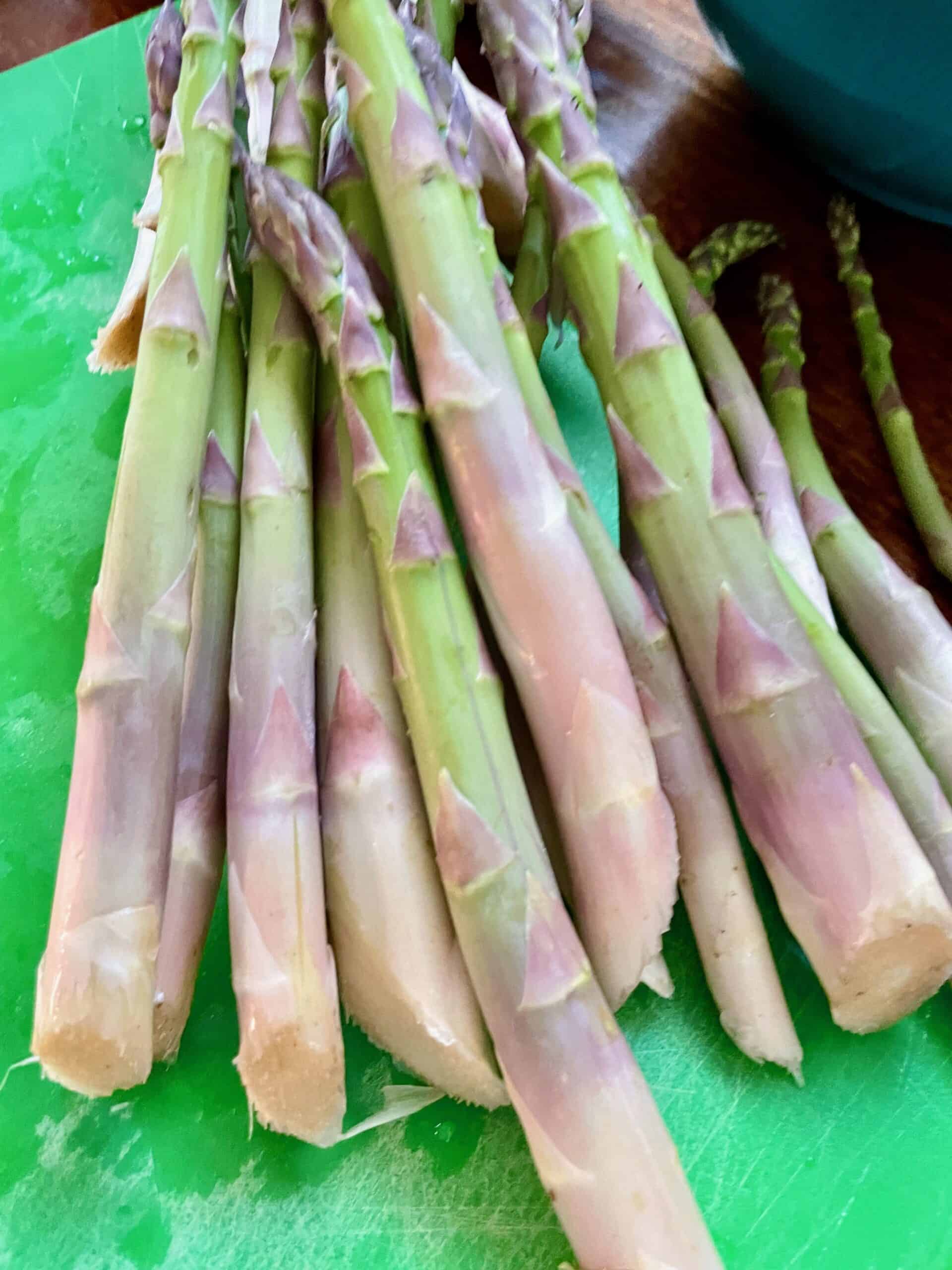
DO YOU NEED TO PEEL ASPARAGUS?
- Thin asparagus: no
- Thick asparagus: peel the lower third if it feels fibrous. A vegetable peeler, two passes, done.
WHY DOES ASPARAGUS MAKE YOUR URINE SMELL?
Asparagus contains asparagusic acid, which breaks down into sulfur compounds during digestion. Some people notice it. Some don’t. Everyone survives.
FROM THE CHEWING THE FAT KITCHEN: WHERE TO GO NEXT
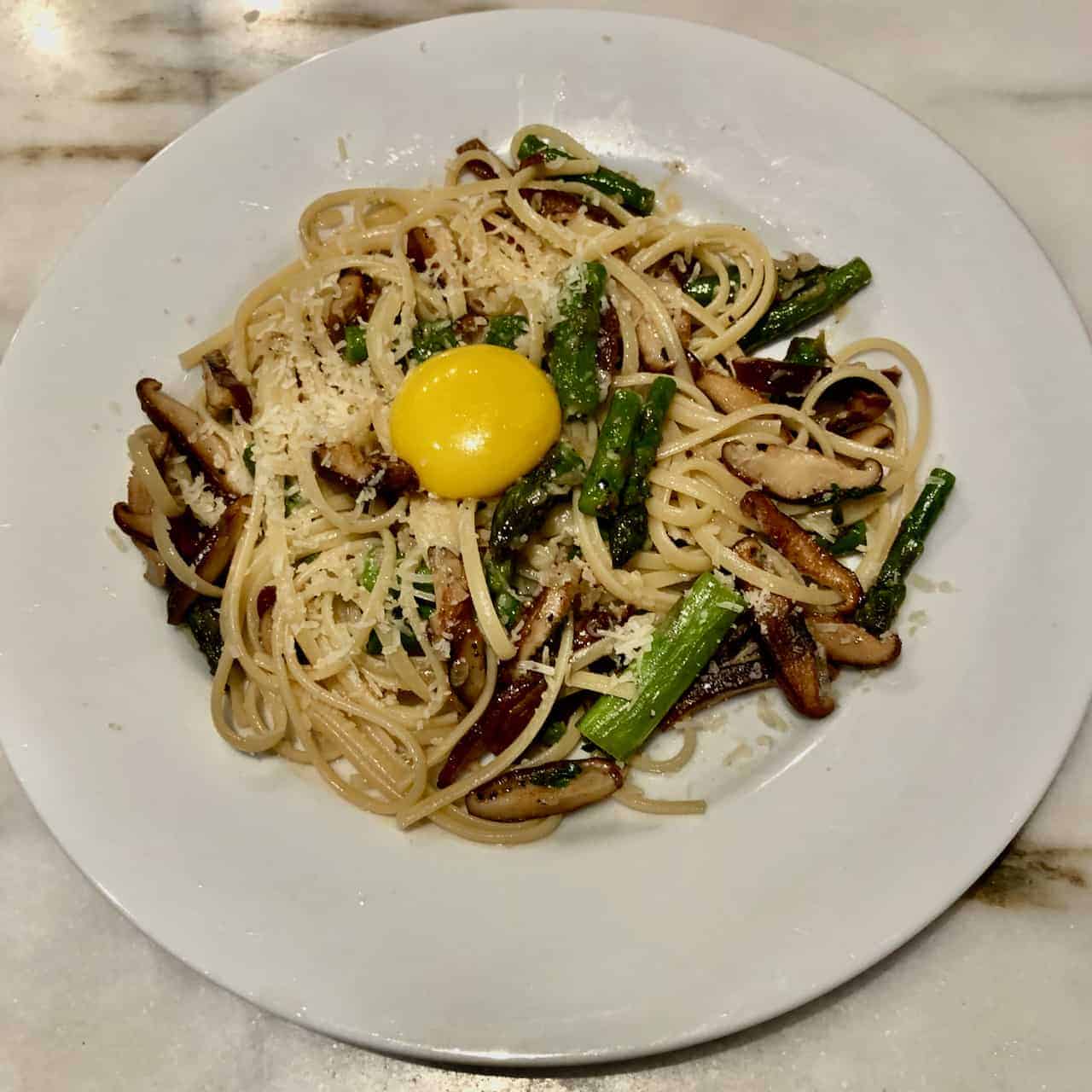
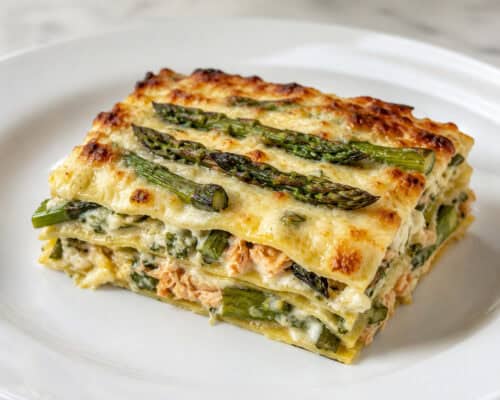
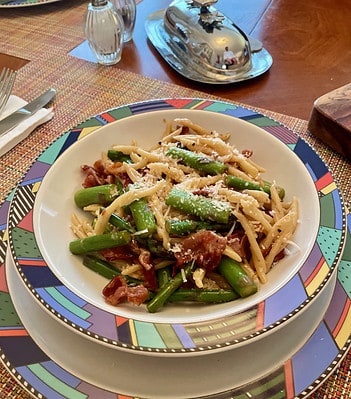
Once you’ve had asparagus on its own—properly cooked, properly fresh—then you can start building around it. Chewing The Fat has a deep bench here. Scroll down to a few standouts.
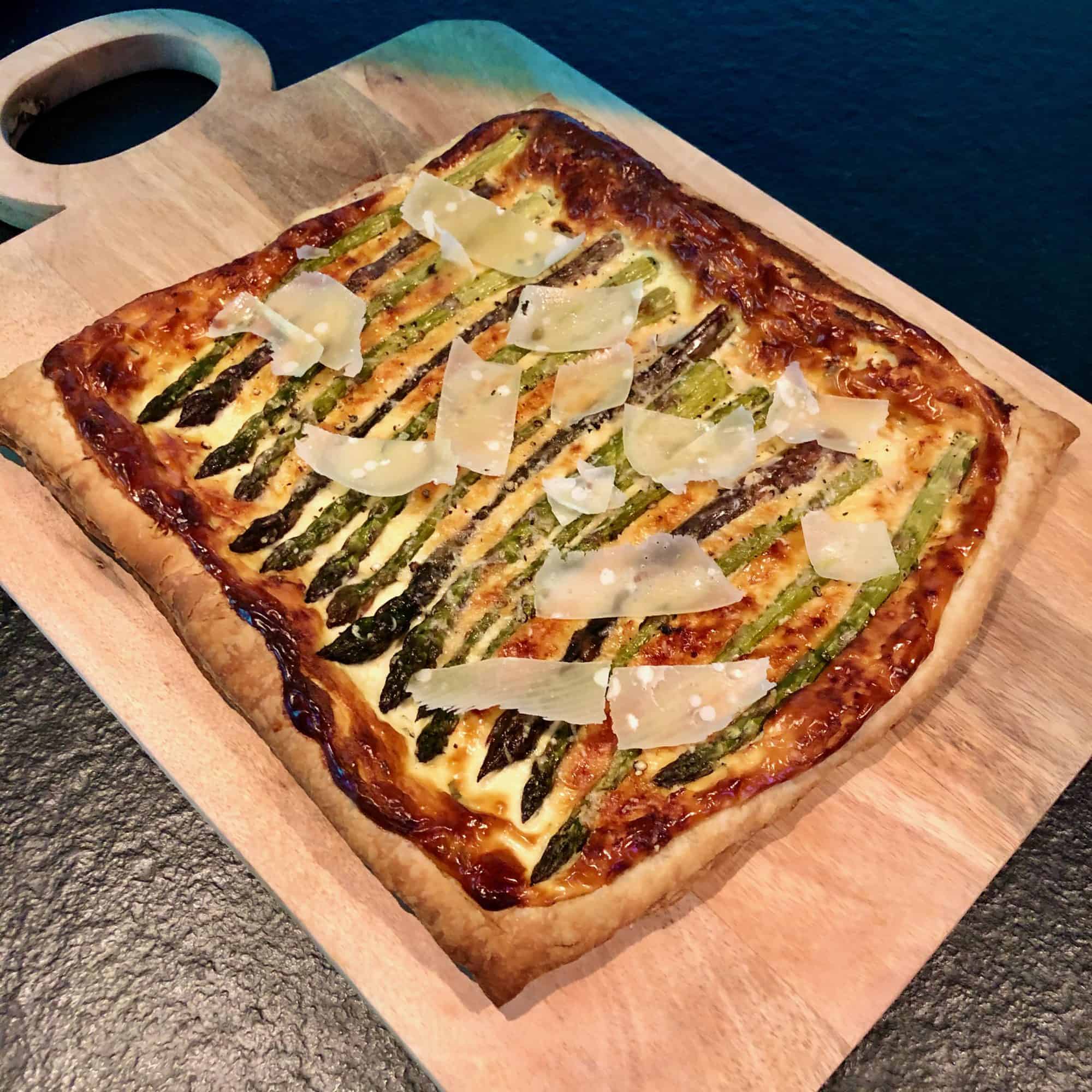
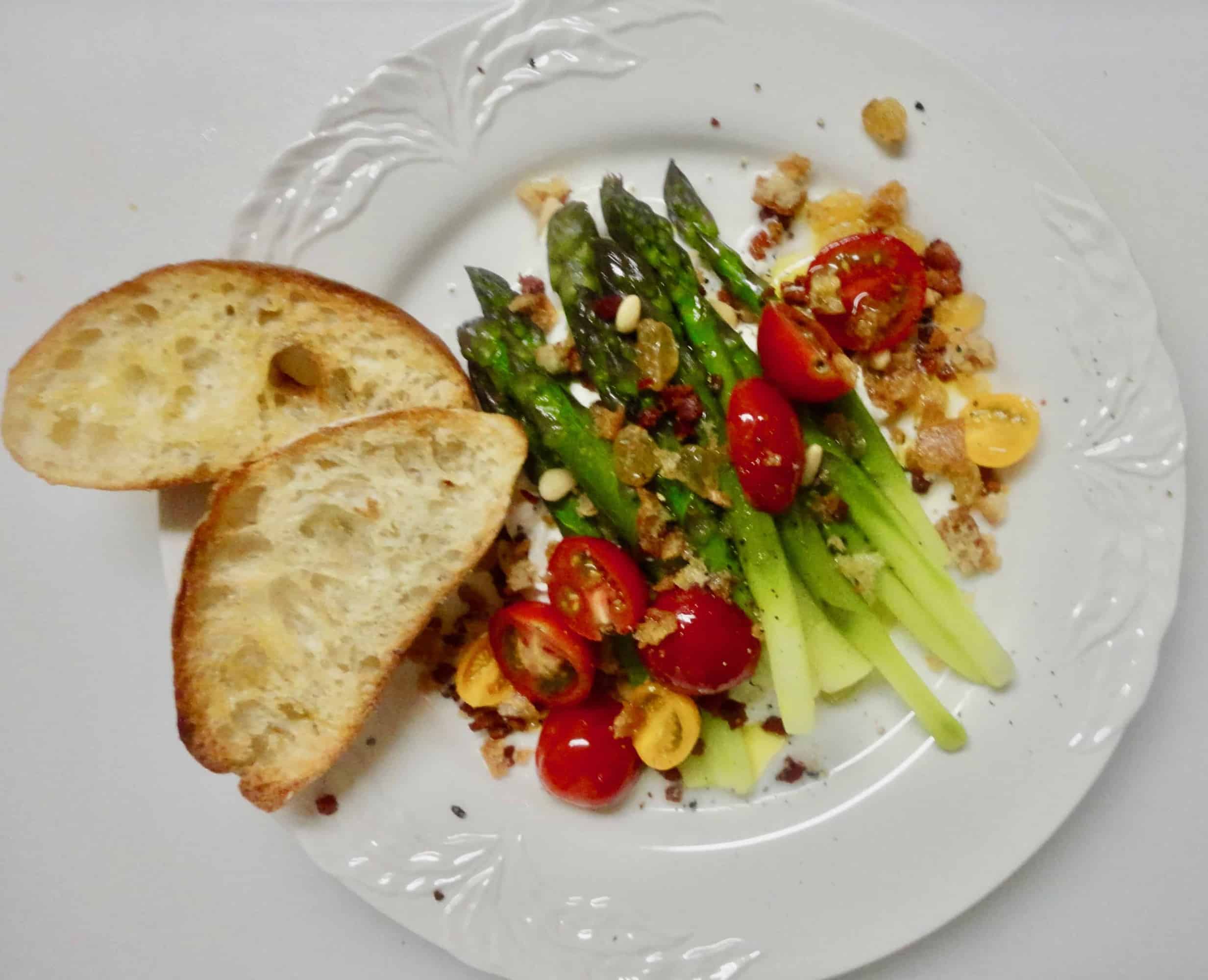
Fresh Asparagus Salad with Buratta, Pancetta, Pine Nuts, Raisins and Bread Crumbs and Tiny Tomatoes