IT ALL DEPENDS ON WHERE YOU CAME FROM.
America’s favorite foods tell the story of who we are, where we come from, and how regional dishes and traditions shape the way the nation eats.
Ask that question at any table, anywhere in the world, and the answer will arrive carrying an accent.
Not just of language, but of memory. Of geography. Of what your family cooked when there wasn’t much money, or when there was something to celebrate. Favorite food is never merely about taste. It is about identity. It is about the flavors that formed you before you ever knew what “good food” was supposed to mean.
A Survey of Taste, Place, and Pride
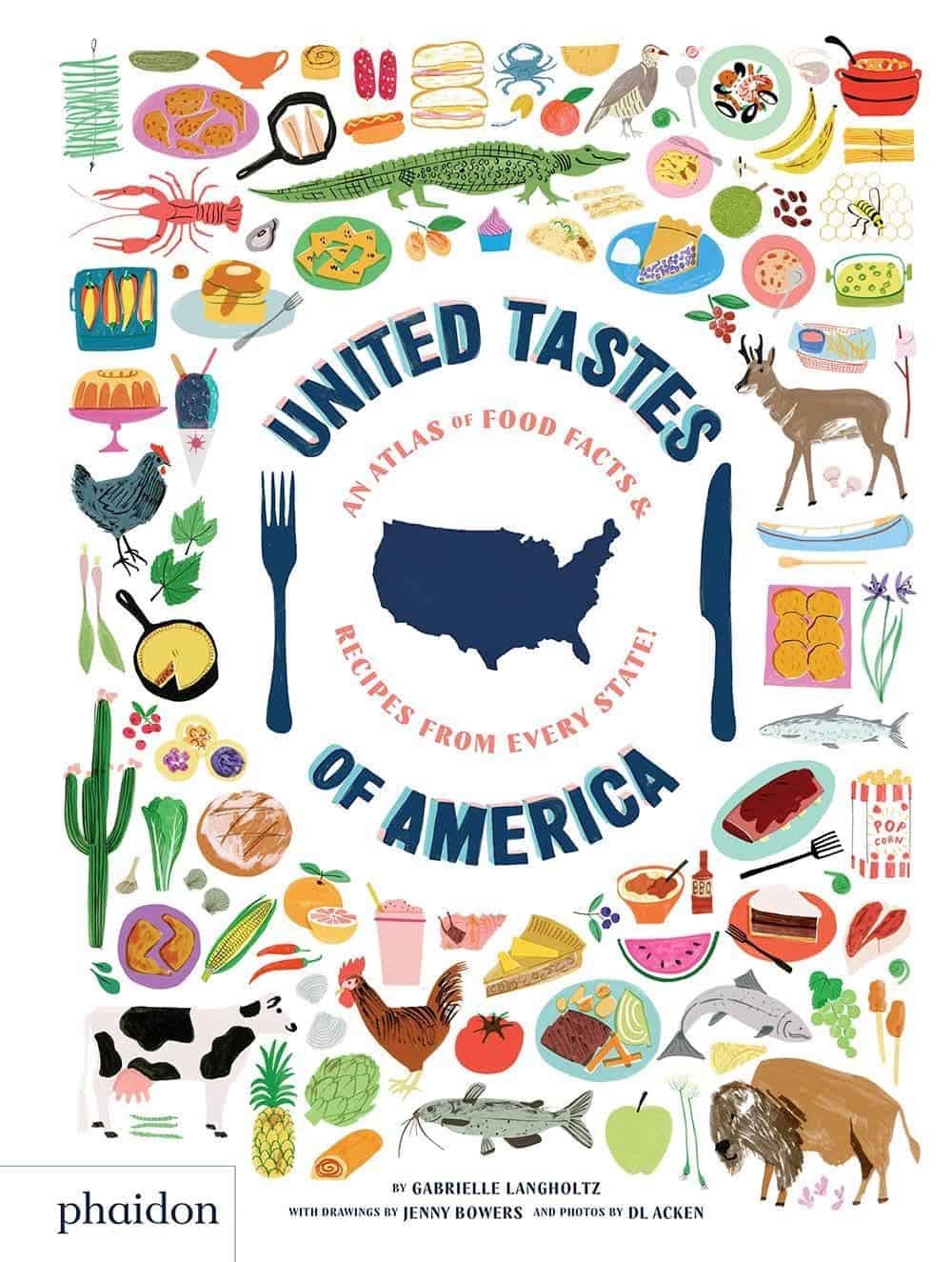
A recent nationwide survey of 5,000 people, conducted by Talker Research for HelloFresh and reported by Joe Lombardi in January 2026, set out to explore exactly that connection between place and palate. The purveyor of highly rated meal kits (go to https://www.hellofresh.com/ to see them all) studied which dishes feel most like home. Which flavors people claim with pride. Which foods they would defend, irrationally if necessary, as “the best in the world.”
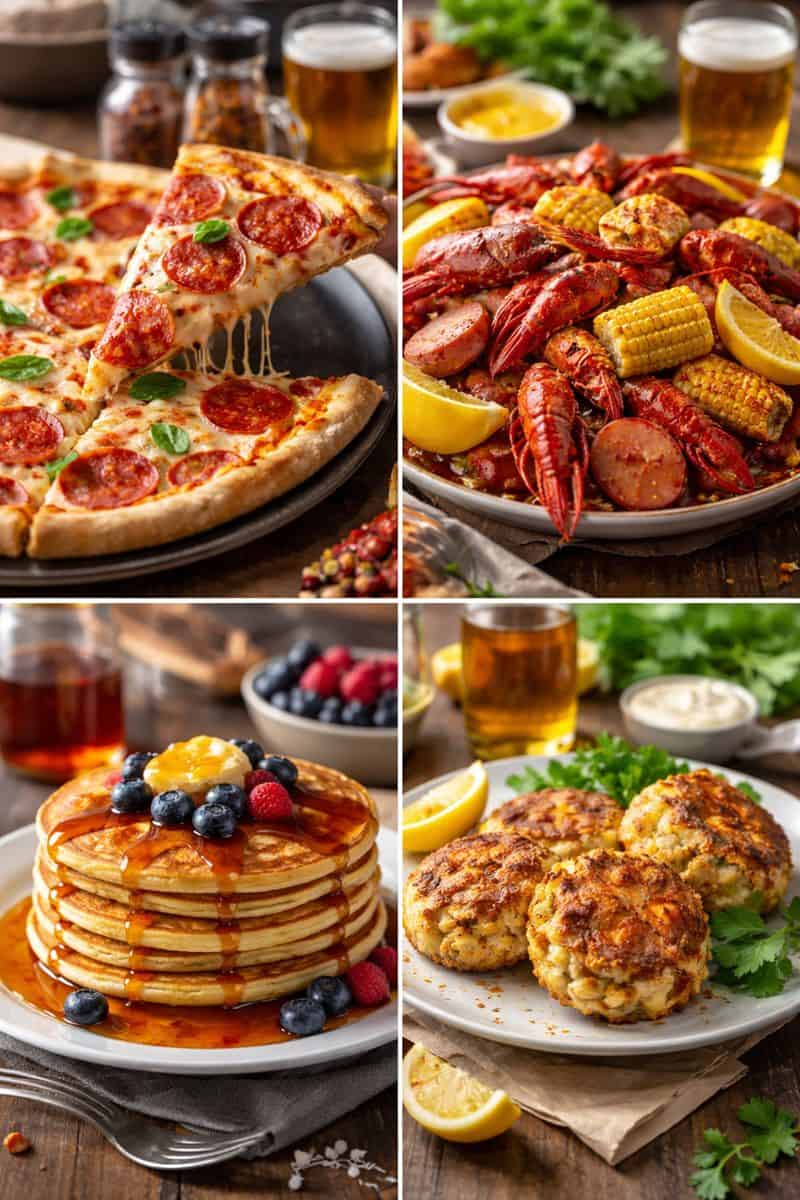
The results read like a culinary atlas of affection. Some choices are universally understood: pizza and bagels in New York, barbecue in Texas, gumbo and crawfish in Louisiana, lobster in Maine,salmon in the Pacific Northwest. These are the dishes that have become cultural shorthand, instantly recognizable even to those who have never tasted them.
The Foods Outsiders Question — and Locals Defend
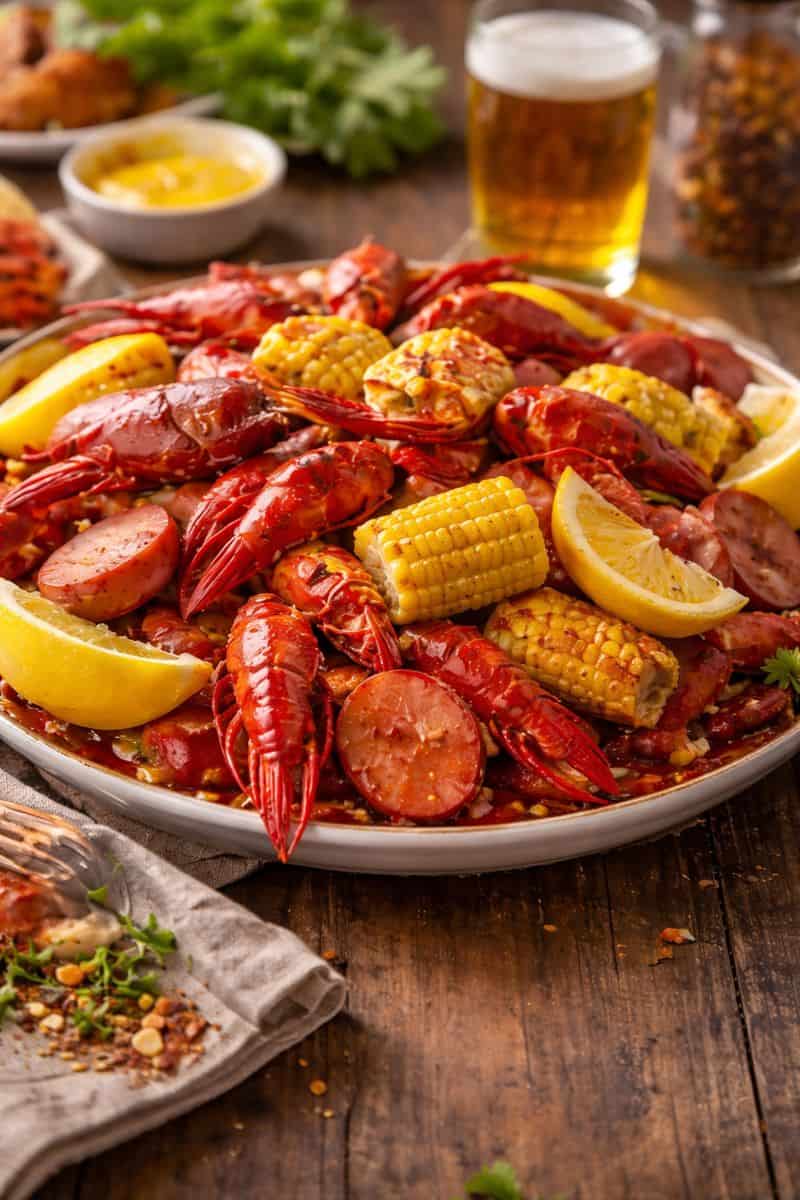
But then come the more intimate answers. The ones that don’t travel well, that don’t photograph easily for glossy cookbooks, yet inspire fierce loyalty: apple cider donuts in New Hampshire, fry sauce and funeral potatoes in Utah, Runza sandwiches in Nebraska, pepperoni rolls in West Virginia, hotdish in Minnesota, scrapple in Delaware. Foods that make outsiders raise an eyebrow and locals grow misty.
This is where the story becomes especially Chewing The Fat.
Because regional pride isn’t only expressed through the noble and the beautiful. It is also expressed through the eccentric, the retro, the defiantly unfashionable. The church-basement casseroles. The state-fair inventions. The gelatin molds, the sugar bombs, the combinations that look like a dare and taste like childhood.
Louisiana’s Confidence and the Power of Regional Cuisine
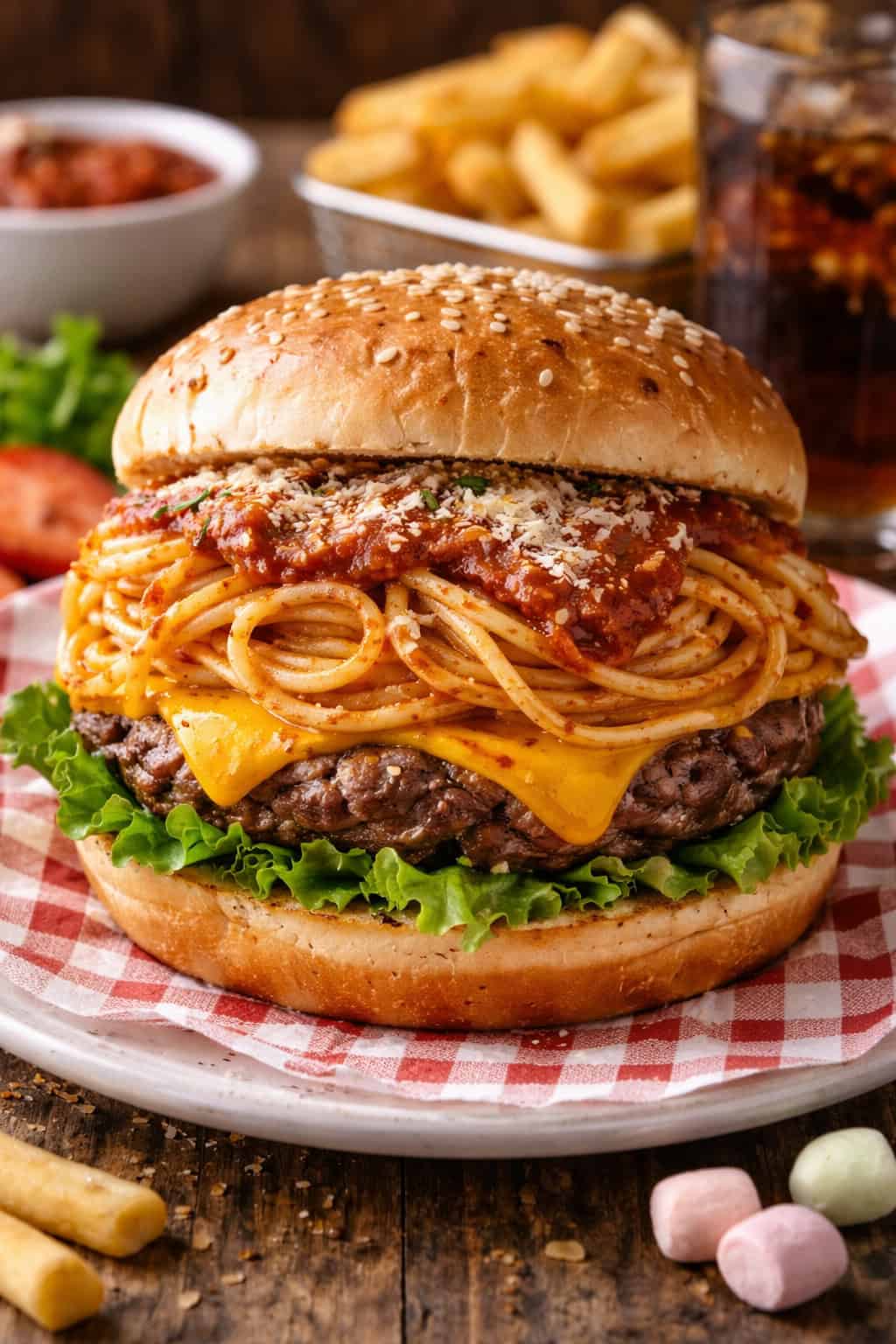
In the survey, Louisiana emerged as the most confident of all, with nearly 94 percent of respondents declaring their cuisine the nation’s finest. It’s hard to argue with a food culture that can produce gumbo, boudin, étouffée, and crawfish boils that feel less like meals and more like communal rituals. But confidence appeared everywhere, not only in places with globally famous foodways. In Montana and Wyoming, where steak, wild game, and huckleberries define the table, more than three quarters of respondents said home cooking beats anything store-bought.
Why Home Cooking Still Matters
Across the country, nearly seven in ten people said they take pride in preparing traditional dishes, and more than half actively record recipes so they won’t be lost. On average, respondents cook about twelve meals a week, devoting over 400 hours a year to the quiet, repetitive, deeply human work of feeding themselves and the people they love.
“Food has always been about more than just sustenance — it’s how we connect, share stories and pass down traditions,” said Michelle Doll Olson, Senior Manager of Culinary Development at HelloFresh U.S. “Our survey shows that people are returning to the kitchen not just to cook, but to create moments of togetherness.”
 What Your Favorite Food Really Says About You
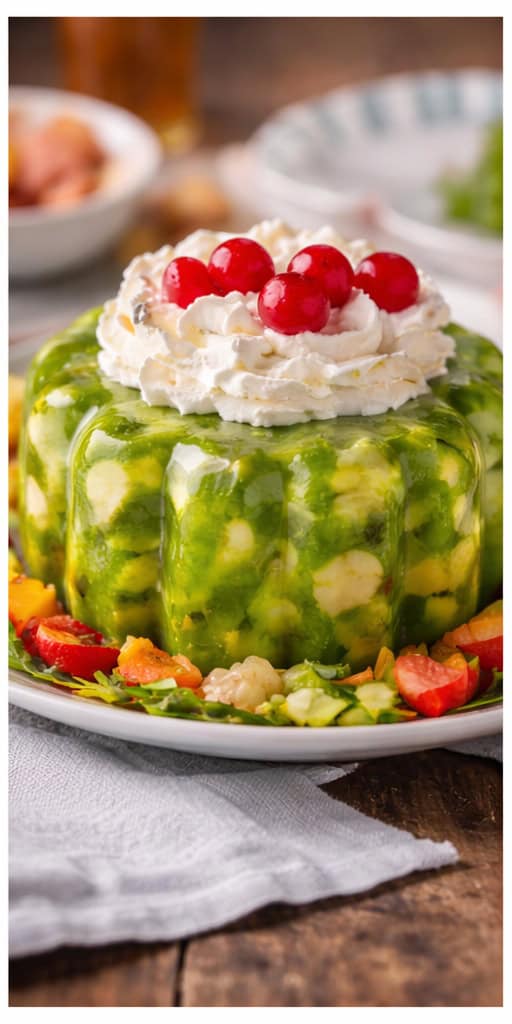
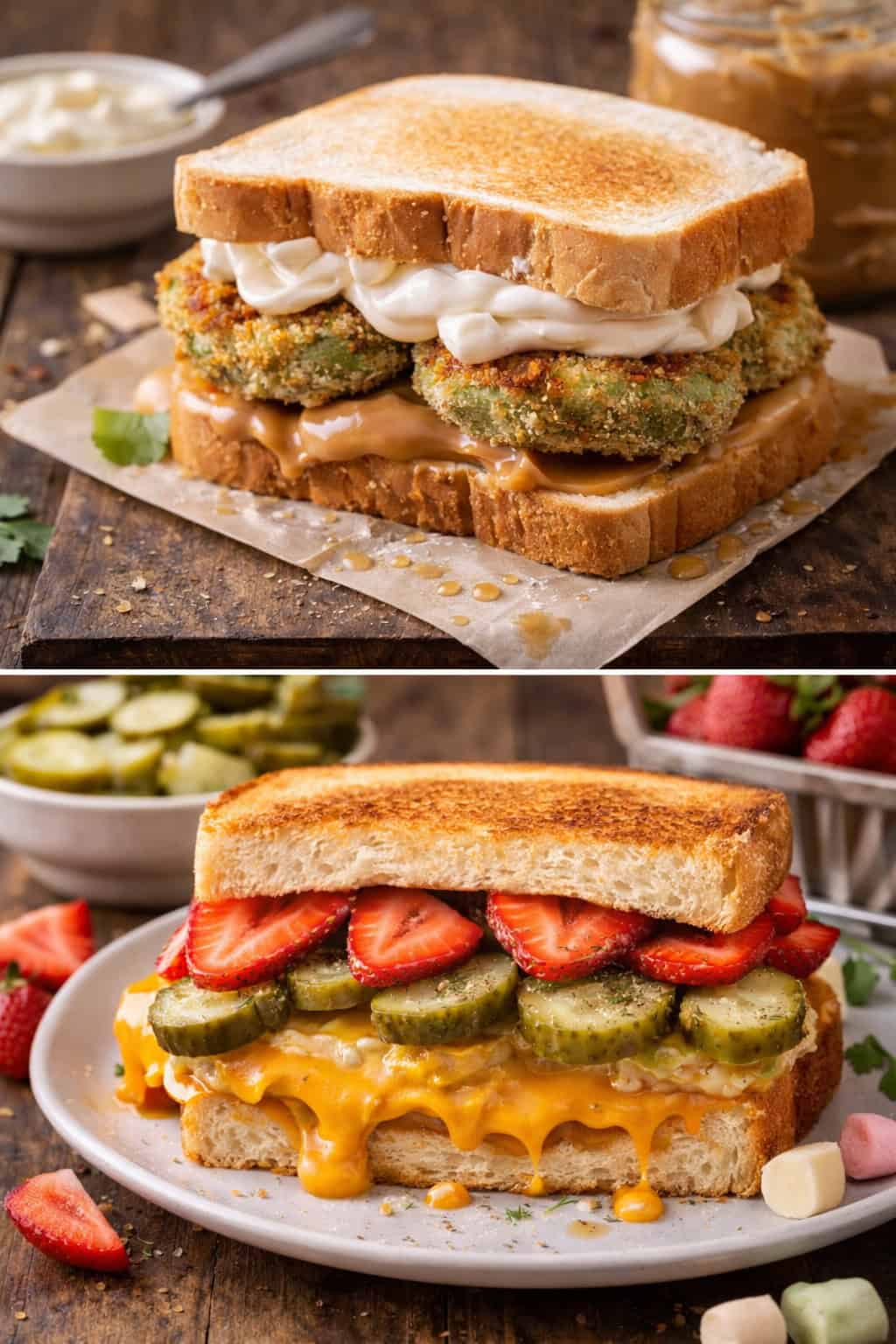
That sense of togetherness is what binds the refined and the ridiculous. One moment it is a perfectly executed crab cake, a slab of smoked brisket, a stack of maple-drizzled pancakes. The next it is a shimmering green Jell-O mold studded with fruit and marshmallows, a candy-laden milkshake that looks like a carnival in a glass, or a sandwich that pairs flavors no culinary school would dare to teach. These foods may not win Michelin stars, but they win something more enduring: recognition. Belonging. The right to say, “This is ours.”
Even in a city as cosmopolitan as New York, the survey’s most emblematic foods were not tasting-menu inventions but everyday icons: pizza, bagels, cream cheese. Food that lives on paper plates, in brown bags, on street corners. Food that becomes part of the rhythm of daily life.
And that, perhaps, is the most revealing result of all. Favorite food is not about aspiration. It is about memory. About the dishes that waited for you after school, after work, after long journeys. About the flavors that taste like where you came from, even when you are far away. So when you ask, “What’s your favorite food?” you are really asking, “Where are you from, and who fed you there?”
The answers, noble and odd, beautiful and bewildering, tell the story of a place far better than any map ever could.
HERE’S THE LIST…