THIS IS ONE OF THE EASIEST, MOST LUXURIOUS FISH DISHES YOU CAN MAKE IN 30 MINUTES
Chilean sea bass isn’t Chilean. It isn’t bass. And for years, no one wanted to eat it. Then came one of the most successful rebrands in culinary history—and suddenly the Patagonian Toothfish became a fixture on the world’s best menus. The surprise is not just how good it is—but how simple it is to cook. Done right, it’s a 30-minute dinner built on butter, lemon, and restraint. Simplicity itself.
IN SANTIAGO DE CHILE, A BITE BEFORE THE MENU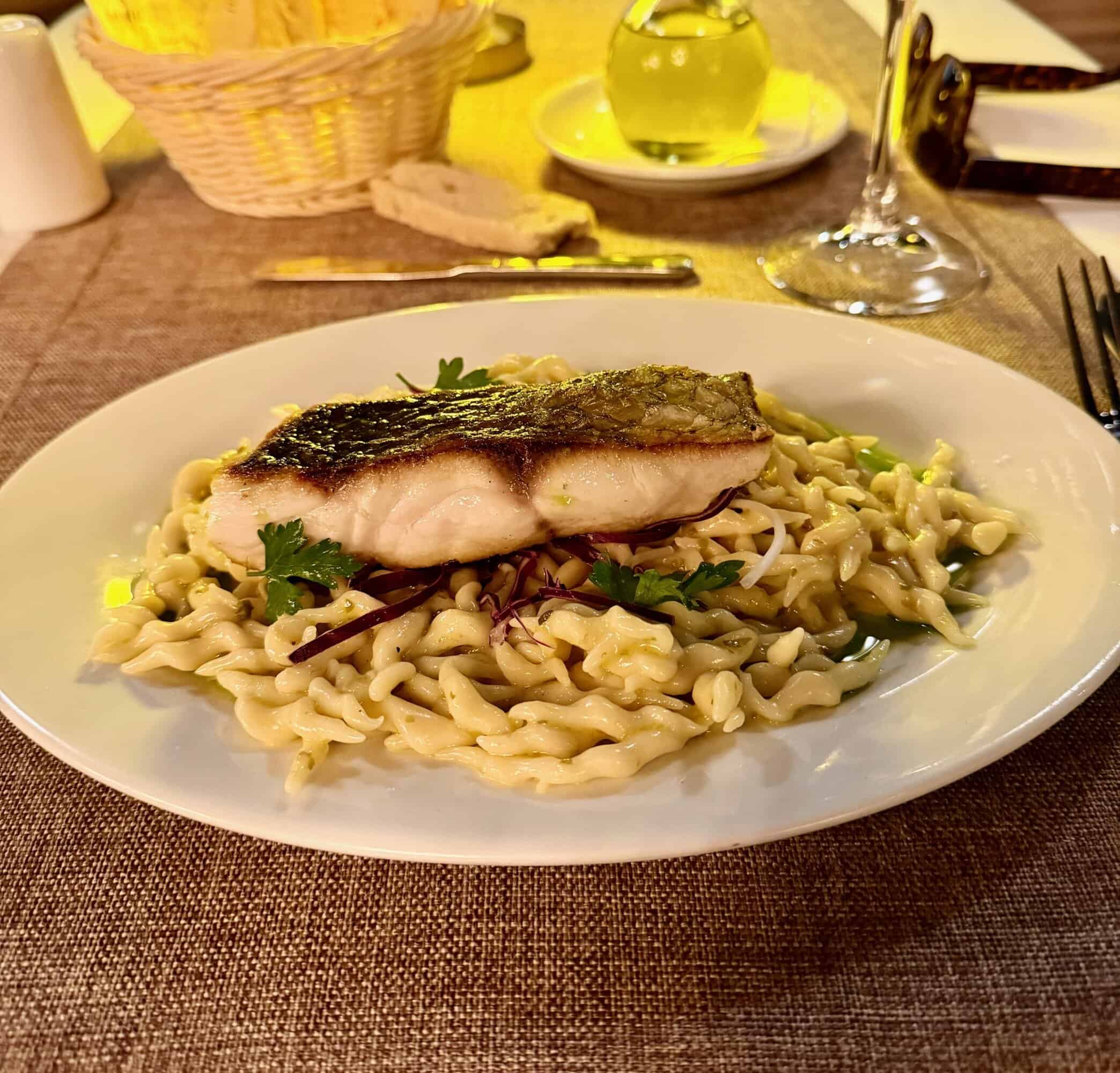
It arrived without explanation, a small plate sent from the kitchen, a single piece of sea bass set over short, twisted pasta glossed in butter and lemon. Perfectly cooked—just opaque at the center. An herb crust topped the fish. The pasta underneath wasn’t decoration. It was the foundation, carrying the sauce, giving the fish somewhere to land.

DOWNSTAIRS, WHERE THE COOKING HAPPENS
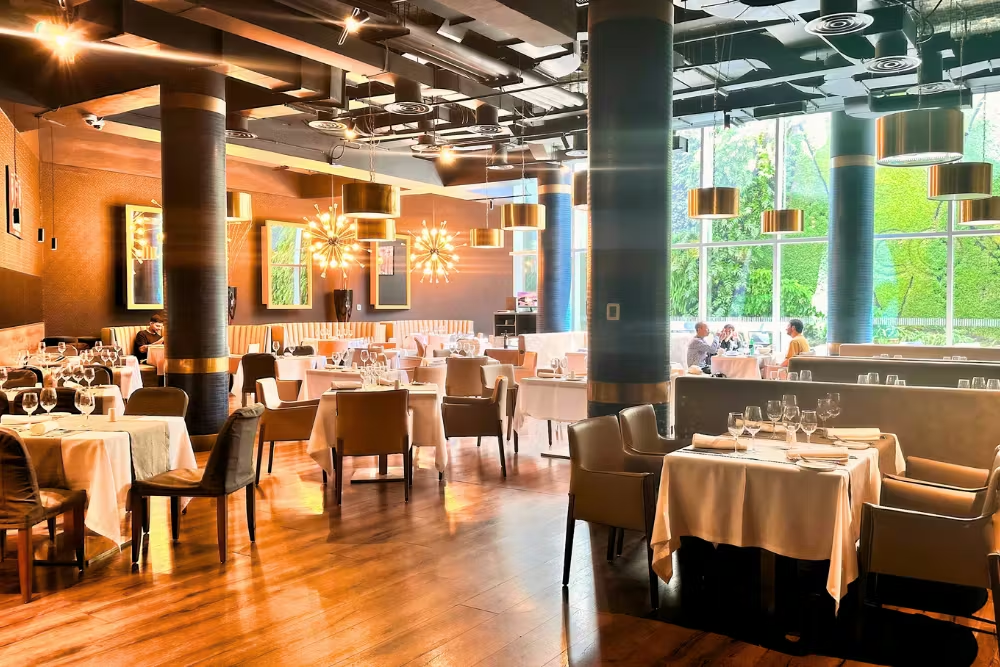
That plate came from Fechoria Ristorante at the Icon Hotel in Santiago. Upstairs, the rooftop restaurant and bar had claimed the crowd. Downstairs, the room was nearly empty—the kind of place where a kitchen has time to send something out simply because it can. Fechoria leans Italian: fresh pasta, an open kitchen, and a menu built around the idea that food is made rather than assembled.
ENTER THE CHEF
The kitchen is led by Alessandro Tridenti whose four decades across five continents show up not in complexity, but in restraint. The hotel describes his cooking as “Vera Cucina Italiana della Nonna”—true cooking of Italian grandmothers. Not elevated. Not reimagined. Simply trusted.
THE PASTA IS NOT AN ACCESSORY
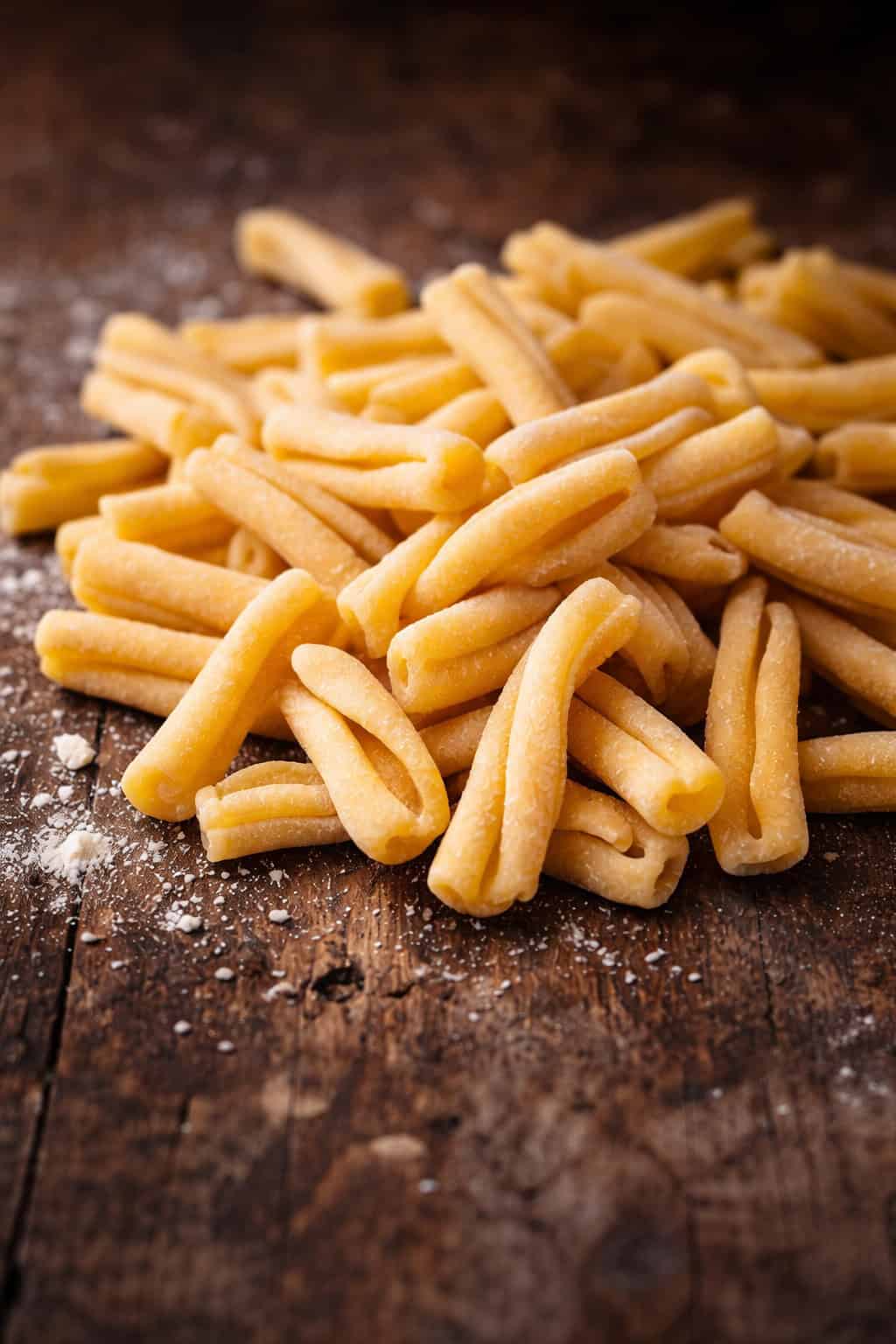
The instinct is to focus on the fish. That would be a mistake. Short, twisted pasta—close to the casarecce that I used to recreate the recipe—absorbs the butter and lemon, anchoring the dish so the fish becomes part of it rather than something placed on top.
THE GREATEST SEAFOOD REBRAND IN HISTORY
No one in Chile calls it Chilean sea bass. The fish is Patagonian toothfish—a name that sounds less like dinner and more like a warning. Somewhere along the line, someone with a marketing instinct (and likely a deadline) decided this wasn’t going to sell. “Chilean sea bass” was born. “Toothfish” suggests something lurking in deep water. “Sea bass” suggests you might order it twice. The rename didn’t just help—it erased the original identity everywhere except where the fish actually lives
WHY “CHILEAN SEA BASS” WORKS SO WELL
Chile never needed the assist. With a coastline that stretches the length of a country whose border is never over 100 miles from the sea, seafood here is taken as it comes—from pristine fillets to creatures that make very little visual case for eating. Against that backdrop, Toothfish is almost restrained: firm, white flesh, rich without heaviness, and forgiving enough to reward a simple hand. This is why chefs love it. And why you should cook it.
TRYING TO GET THE RECIPE (AND FAILING)
I wrote for the Icon Hotel for the recipe—in Spanish, no less—and heard nothing back. So I rebuilt it. The first attempt missed. The sauce went in the wrong direction—overworked, unnecessary. I had added cream and Parmigiano Cheese—despite my knowing that no less than Marcella Hazan herself eschewed using Cheese with any fish dish. (She later relented but in this case she would not have.)
The second time, I stopped adjusting and returned to what was actually on the plate: Butter. Lemon. Pasta. With that, the dish made sense again.
THE BEST WAY TO COOK CHILEAN SEA BASS AT HOME.
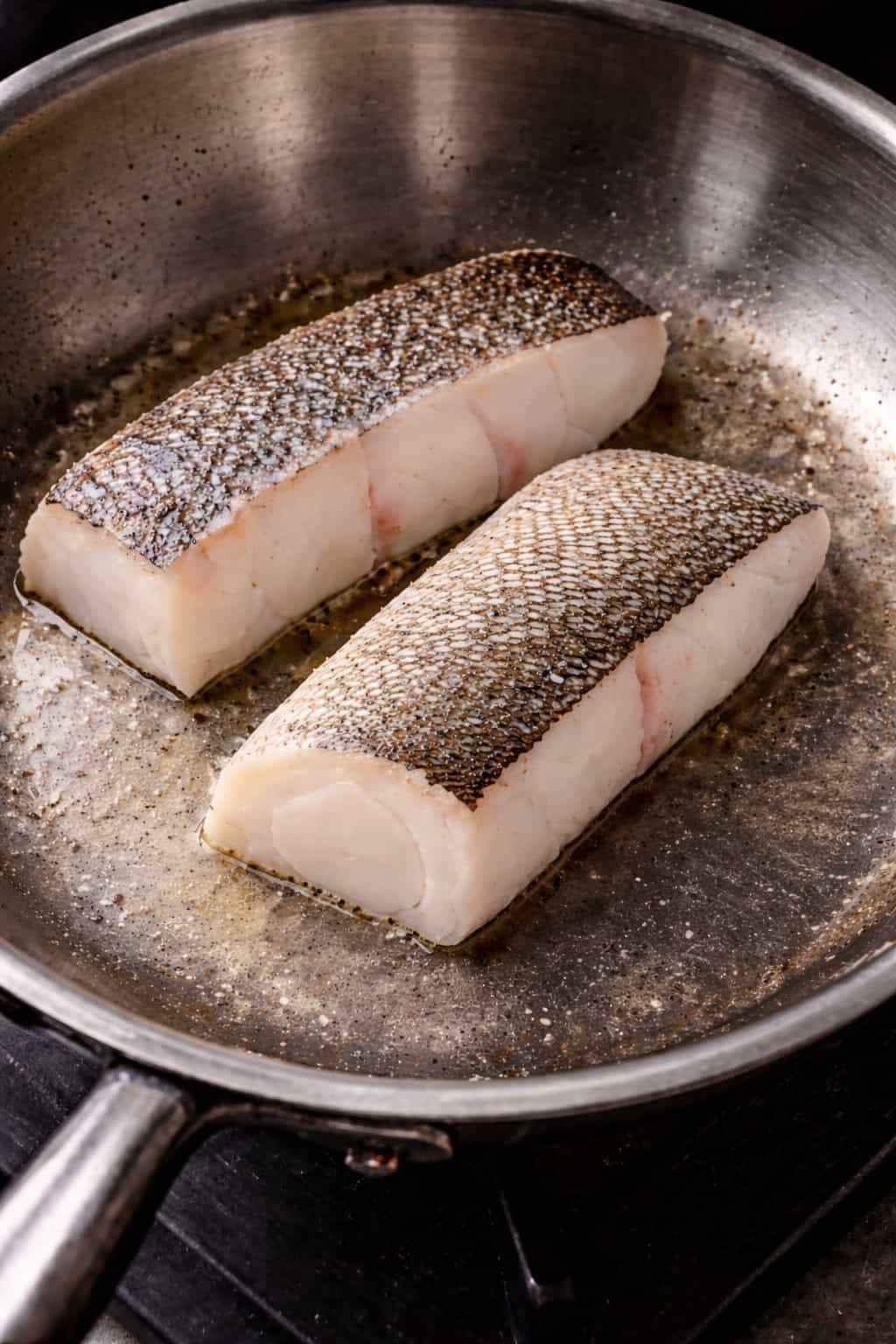
Inspired by a dish at Fechoria Ristorante in Santiago, where an Italian kitchen meets Chilean fish—and simplicity turns out to be the point.Chilean Sea Bass with Lemon Butter and Casarecce
Ingredients
Directions
WHAT THIS DISH LEAVES ALONE
It’s easy to mistake this for luxury cooking. It isn’t except– for its exorbitant price at Whole Foods The success lies in restraint—leaving out anything that would weigh it down. No cream. No reduction. No complication. Just a fish that doesn’t need help—and a kitchen that knows it.
FAQ
Is Chilean Sea Bass really Bass?
No. It’s Patagonian toothfish, rebranded for the menu.
Why is Chilean sea bass so expensive?
Limited supply, high demand, and a texture chefs prize for its richness and reliability.
Can I substitute another fish?
Black cod or halibut can work, but neither has quite the same buttery texture.