A Chewing The Fat Survival Guide to Oversalted Dishes
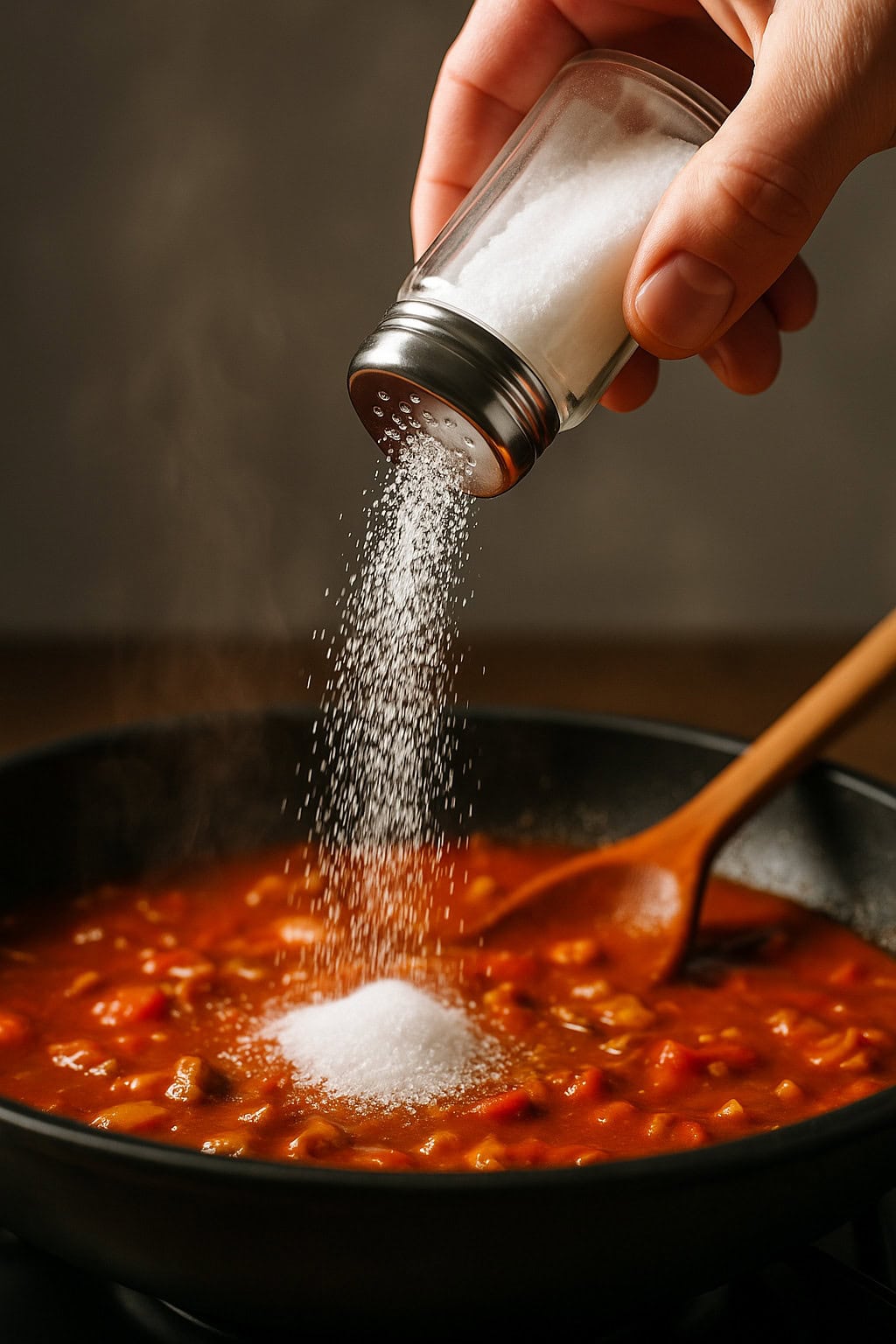
It happens to the best of us. One enthusiastic shake of the salt shaker—or worse, the dreaded lid pop-off—and suddenly your lovingly prepared dish tastes like it’s been rescued from the Dead Sea. But before you declare dinner a disaster, here are ten time-tested ways to fix salty food without losing your cool, your guests, or your dignity.
Yes, you can save an oversalted dish—and here’s how.
 Stretch the Recipe.
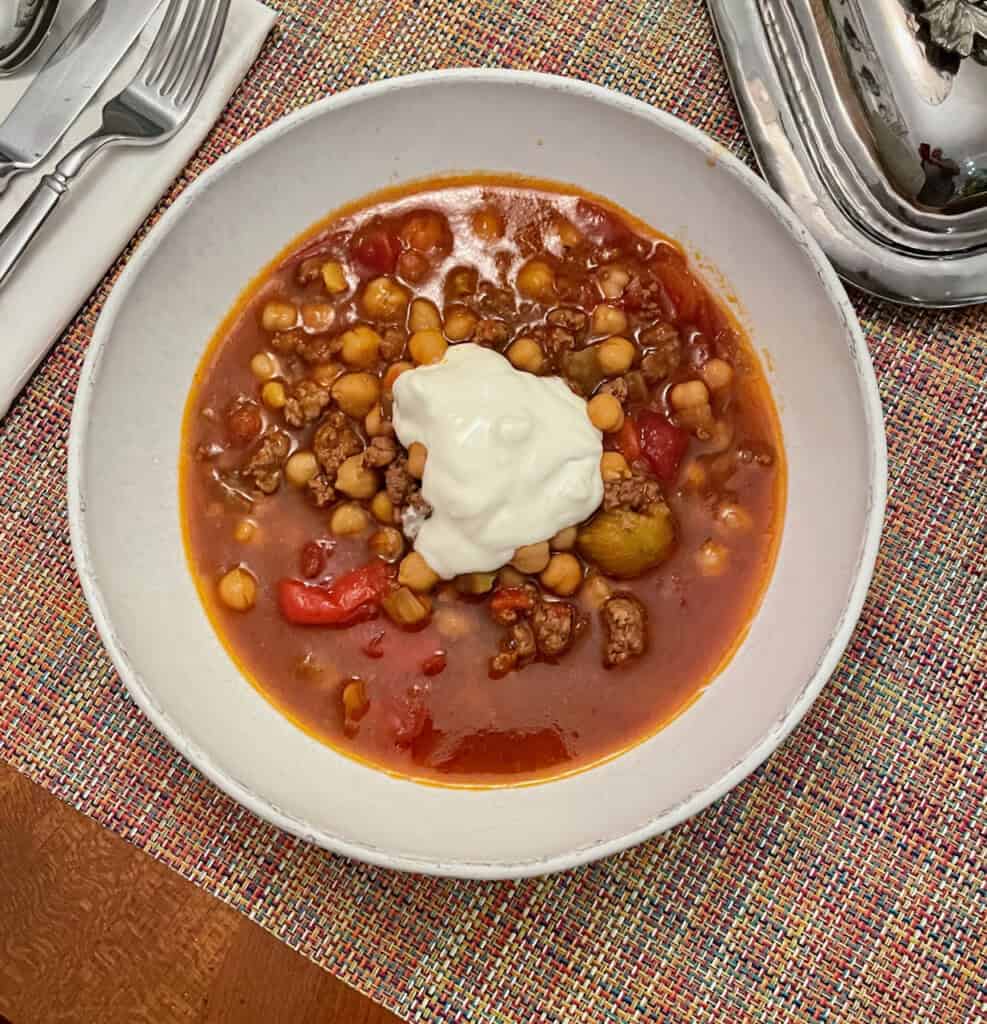
Let’s start with the most reliable trick in the book. If your soup, stew, or sauce is too salty, add more of the good stuff—liquid, starches, or unsalted versions of your original ingredients. Think of it as feeding your dish a plus-one. Add broth, water, cream, or crushed tomatoes depending on the recipe, and if it still tastes like a salt lick, add more veggies, pasta, beans, or rice. This is how you dilute salty food without losing its soul.
 Fat to the Rescue
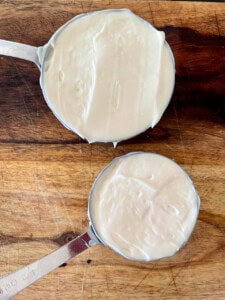
Salt may be bold, but fat is the smooth talker of the kitchen. Cream, sour cream, butter, coconut milk, avocado—any of these will cut through the saltiness and soften its edge. The science? Fat coats your tongue and mutes the salty scream. Bonus: your dish gets a little richer, and your reputation for culinary wizardry stays intact.
 Add Some Acid
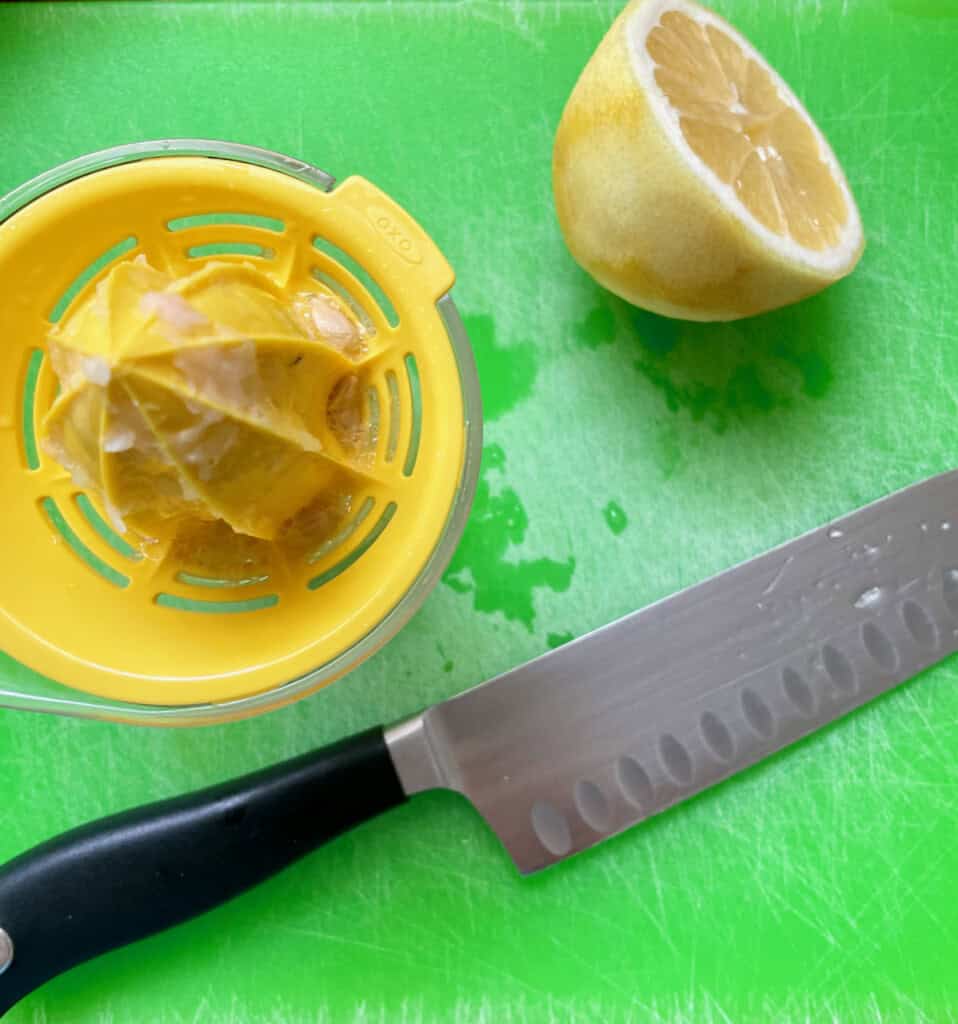
If your dish is acting salty, hit it with something tangy. Lemon juice, vinegar (rice, white wine, or apple cider—just not balsamic unless you’re sure), or a spoonful of tomato paste will brighten flavors and help balance the salt. Acidity doesn’t remove the salt, but it does distract your taste buds from noticing. It’s a psychological palate play—and it works.
Dollop on the Yogurt
For curries, stews, soups, and Middle Eastern dishes, yogurt is a quiet fixer. It’s got just enough fat to calm the salt, and just enough tang to bring your dish back to balance. Greek yogurt, plain yogurt, or skyr all work. Stir it in or serve it on top—you’ll look clever either way.
 Sweeten the Deal
A tiny bit of sugar—emphasis on tiny—can help neutralize salty food by rebalancing flavors. A pinch of white sugar, a drizzle of maple syrup, or a dab of honey can soften the sharpness without turning your curry into candy. This trick works best in savory dishes that aren’t already sweet. Taste and adjust slowly—you want harmony, not dessert.
Balance It With Sides (AKA Salt’s Stylist)
Sometimes, your salty main just needs a good wingman. Serve that oversalted meat or stew with plain rice, pasta, potatoes, or crusty bread. Mild side dishes soak up the intensity and help round out the meal. They don’t fix the salt content—but they make sure your guests won’t notice. It’s culinary sleight of hand.
 Spice Things Up (Strategically)
Over-salted dishes can feel flat because salt has flattened the other flavors. Bring them back with spices, aromatics, and umami-rich ingredients. Try cumin, smoked paprika, garlic, fresh herbs. Rebuilding flavor complexity can make salty food taste balanced again—and might even elevate the dish beyond your original plan.
Rinse It Off (Yes, Really)
If the salt overload happened before everything came together—say you over-salted pasta, veggies, or meat—rinse it. Literally. Run it under cold water or soak it briefly in unsalted water, then reheat or reincorporate. It’s like a reset button for ingredients, especially when you’re working with separately cooked components.
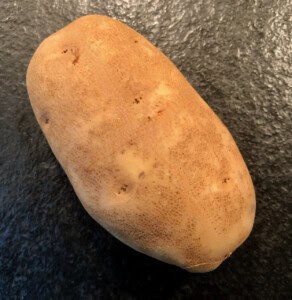 The Great Potato Controversy
You may have heard of this method: drop a potato into your soup, and it’ll soak up the salt like magic. The truth: it mostly doesn’t work. Potatoes absorb liquid, not salt, so unless you’re actually adding them to stretch the dish (like mashed potatoes or stew extenders), they won’t do much. But if you were looking for an excuse to add buttery mash to the menu, now you’ve got one.
Pair With Bubbles and Bravo
Still feeling salty? Pour something sparkling. Sparkling wine, Prosecco, Champagne, or even fizzy water can reset your palate and keep the salt from dominating. It’s not a fix for the dish, but it is a fix for the dining experience. And if you’ve added too much salt to gravy or sauce, a splash of dry white wine or a dash of sherry can sometimes round out the sharpness just enough to bring things back from the brink.
Final Thoughts: Salt Happens
Even the professional chefs oversalt food sometimes. It’s not the end of the meal—it’s just the start of your rescue operation. With these tricks tucked into your apron, you can fix salty dishes like a pro, or at the very least, cover your tracks like one.So the next time your dish crosses the salty line, don’t panic—just pivot. And maybe pour the bubbly a little early. And you can’t pour a better bubbly than California’s own SEPPI, California’s own sparkling Rose…read all about it here;https://www.healdsburg.com/listings/seppi-sparkling-wines/
Just in case you’re a huge fan of all things salty, we leave you with this recipe…