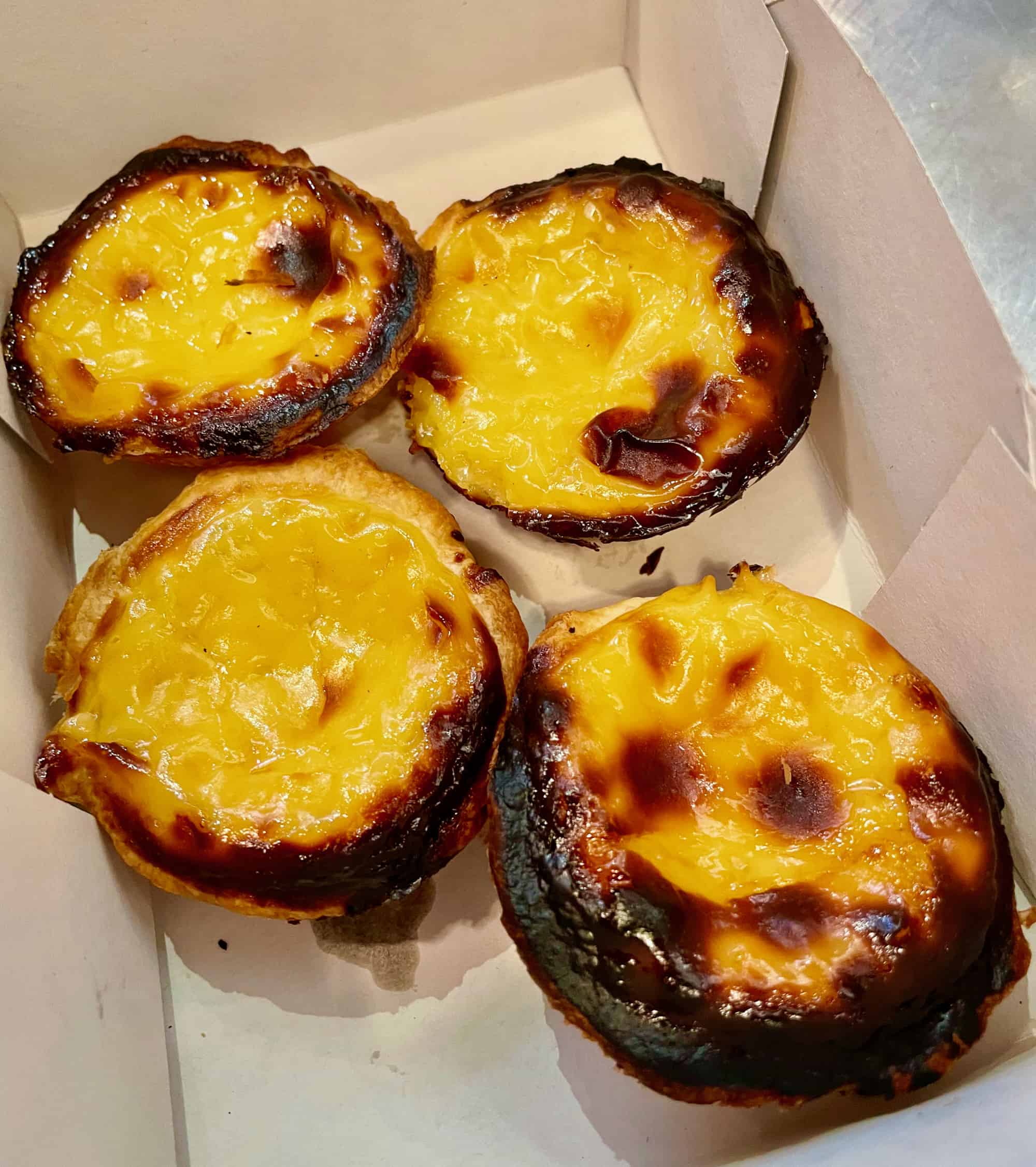
Make Pastéis de Nata, Portugal’s famous custard tarts, with crisp puff pastry and a creamy, caramelized filling inspired by Lisbon.
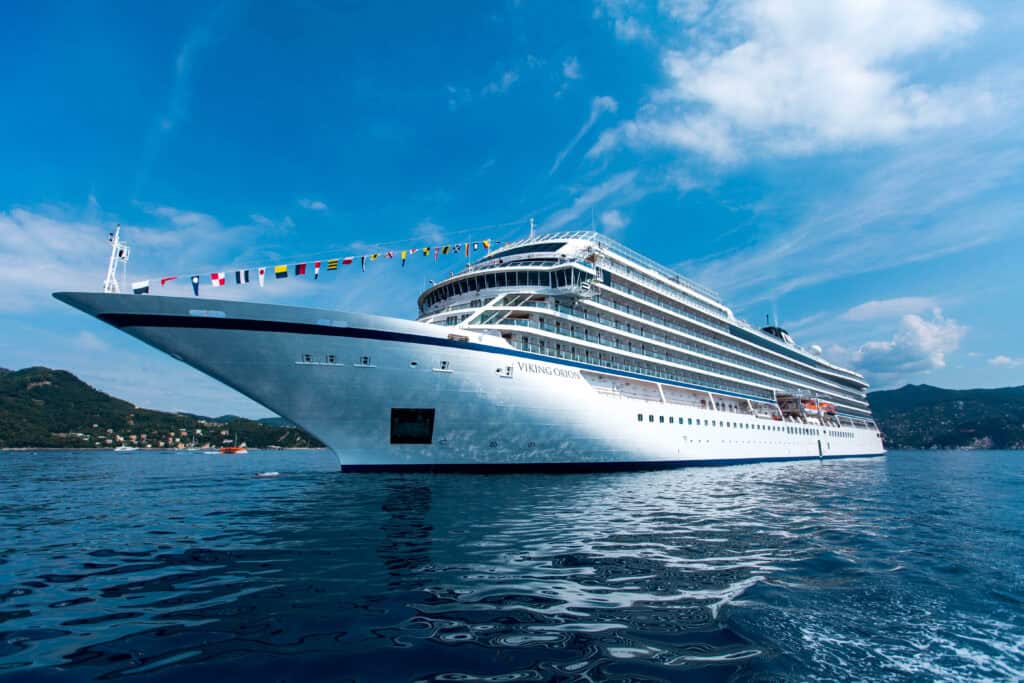
By the time you read this, we will have completed our voyage aboard Viking Vesta and arrived in Portugal for Zoe and Justin’s wedding in Sintra.
This will be at least my sixth visit to Portugal, a country whose beauty, food and slightly dreamlike quality continue to draw me back.
And no return to Lisbon would be complete without Portugal’s most famous pastry: the gloriously flaky, custard-filled Pastel de Nata.
These small tarts, with their fall-apart pastry, creamy centers and caramelized tops, are reason enough to return to Portugal again and again.
LEARNING TO MAKE PASTÉIS DE NATA IN LISBON
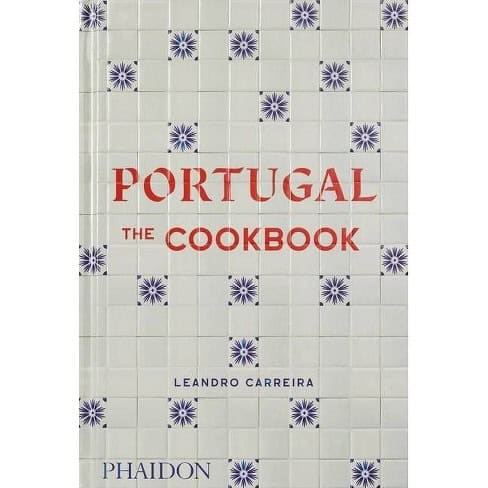
 On an earlier visit to Lisbon, I joined Portuguese food scholar Miguel Andrade and a group of fellow travelers for a Pastéis de Nata class at Time Out Market Lisboa. Miguel is the co-author, with Leandro Carreira, of Portugal: The Cookbook and a wonderfully knowledgeable guide to the country’s culinary culture. Our pastry lesson took place at Academia Time Out, the cooking school located inside Lisbon’s enormous Time Out Market.
 Time Out Market Lisboa is a must-stop on any Food Itinerary of Lisbon
Under two gigantic roofs sit 26 restaurants, 8 bars, a dozen shops, and a high-end music venue. In 2014 Lisbon’s Editors of the well-known going-out guide put together this incredible collection to spotlight the ‘best’ of Lisbon—the best hamburger, the best sushi, the best steak, the best bands. They rejuvenated Mercato da Ribeira, the first version of which started life in 1100 on the site of the current city hall. One side still sells every beautiful fruit, vegetable, and piece of fish in the city. The other is a food hall and in its midst is Academia TimeOut, the first cooking school in TimeOut.
Presiding over our class was a genial instructor named Miguel Miskito.
Everything had been laid out for us, and 26 eager pupils followed along as he demonstrated how to form the pastry shells, make the custard and achieve those characteristic caramelized tops.Before our Pastéis emerged from the oven, we had also learned their history—and had a few familiar myths shattered along the way.

PASTÉIS DE NATA OR PASTÉIS DE BELÉM?
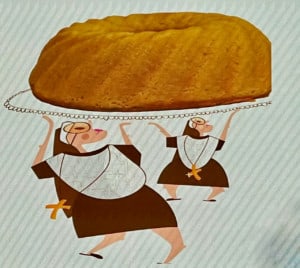 Legend had it, or at least I did, that the nuns at the Convent of the Jeronomos Monastery had a surfeit of egg yolks having used the whites to starch clerical collars. Not true says Miguel Andrade. Whites were used to clarify butter hence all those yolks. Today’s recipes are adaptations of the originals dating from the 16th century. Miguel Andrade’s charming illustration above shows two nuns hoisting a cake. Andrade tells us nuns were often recruited from noble families. If they had a surfeit of daughters, they sometimes could not provide dowries. These girls, as young as ten, were often accompanied by their maids who entered the holy orders with them. The maids were often consigned to convent kitchens. Sweets were a particular passion. The most famous Pastéis makers were indeed those of Jeronomos. To this day, Pasteis de Belem, are produced at a rate of 22,000 a day.
About today’s recipe:
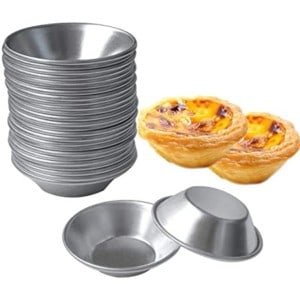 You can make your own pastry. See Portugal The Cookbook for that recipe. However, you can save hours of time and effort by buying store-bought puff pastry. Just make sure it is made with butter and not Palm Oil which some puff pastry is not made with. Note: This recipe uses a 12 muffin tin to make your Pasteis. If you are serious about making these more than once, you really should order these cake pans which are made just for making Pasteis. Here’s the link to Amazon: https://www.amazon.com/
Here is the recipe: After it, some other great Portuguese recipes…
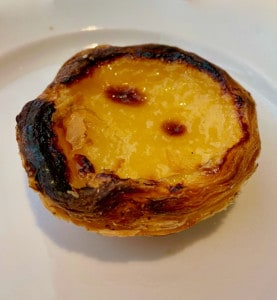
Melt in your mouth fragile, flaky crust with a not-too-sweet custard that's caramelized in spots and absolutely delicious Pastéis de Nata, Portuguese Custard Tarts
Ingredients
Directions