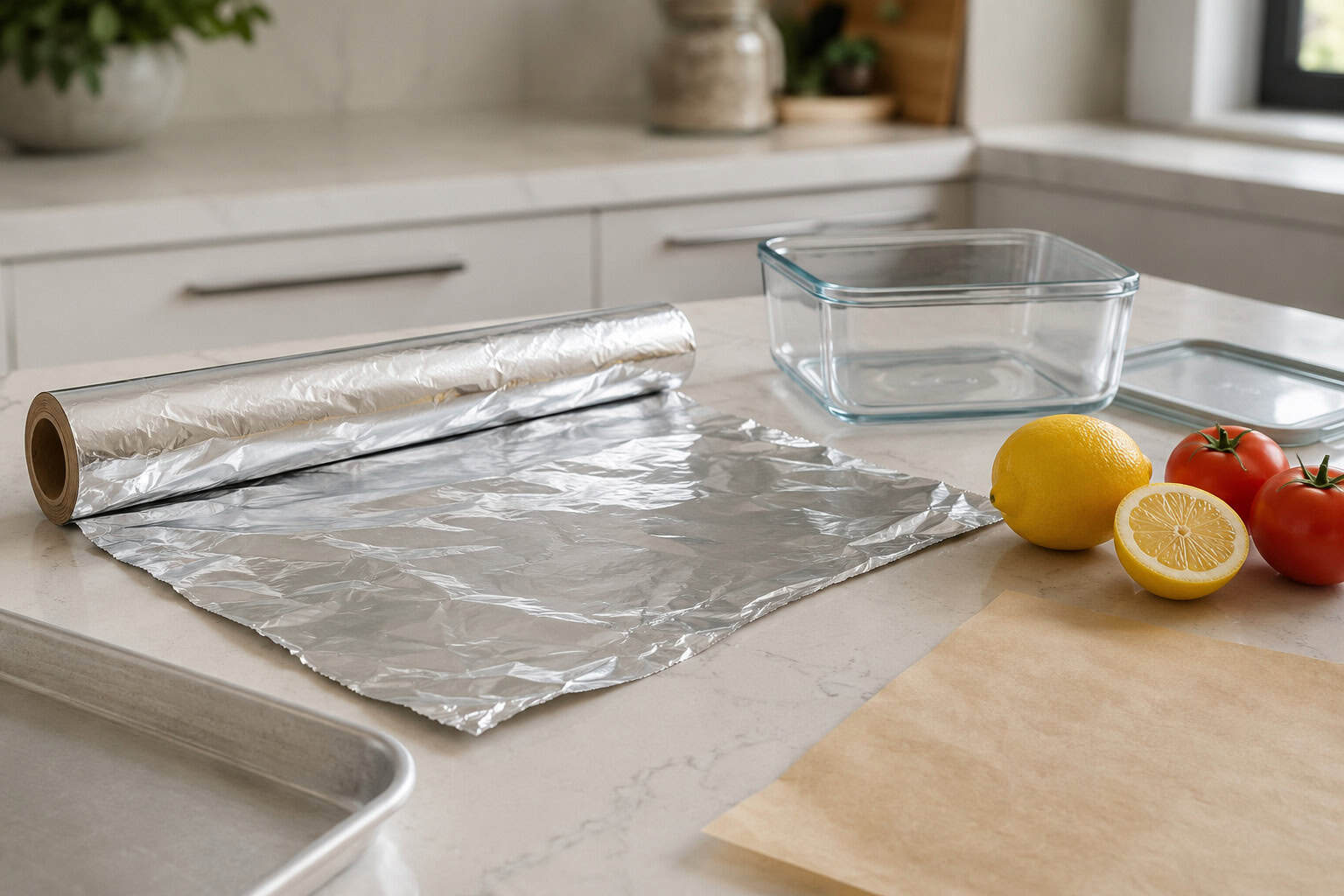
A Chewing The Fat audit reveals when foil works beautifully—and when parchment, glass or a bare metal pan does the job better.
A Chewing The Fat Audit of Our Own Recipes
Aluminum foil may be the most unquestioned object in the American kitchen. We wrap leftovers in it, line sheet pans with it, cover casseroles with it and occasionally fashion it into something resembling a swan when a restaurant dinner proves too ambitious.
Chewing The Fat has certainly done its share. Search our recipe archive and foil appears beneath sausages and potatoes, around warming tortillas, over macaroni and cheese and—in one case—in direct contact with lemon-marinated chicken. In fact, we counted no less than 410 times when we used Aluminum Foil in a Chewing The Fat post.
Then an article from EatingWell https://www.eatingwell.com/landed in our inbox: “7 Things You Should Never Use Aluminum Foil For.” It made foil sound less like a kitchen convenience than something requiring protective eyewear and legal representation.
But it also made us wonder: Had some of our own recipes been using foil where parchment, glass or a naked sheet pan would work better? So we returned to the Chewing The Fat archives. The reassuring answer is not that every roll of foil must be escorted from the premises. It is that foil remains extremely useful—provided we stop asking it to do absolutely everything.
 Acid and Aluminum Foil Are Not Great Friends
Acidic ingredients such as tomatoes, citrus and vinegar can react with aluminum foil, particularly during prolonged cooking. Salt can increase the reaction. You may notice dark discoloration, small holes in the foil or, occasionally, a metallic taste.
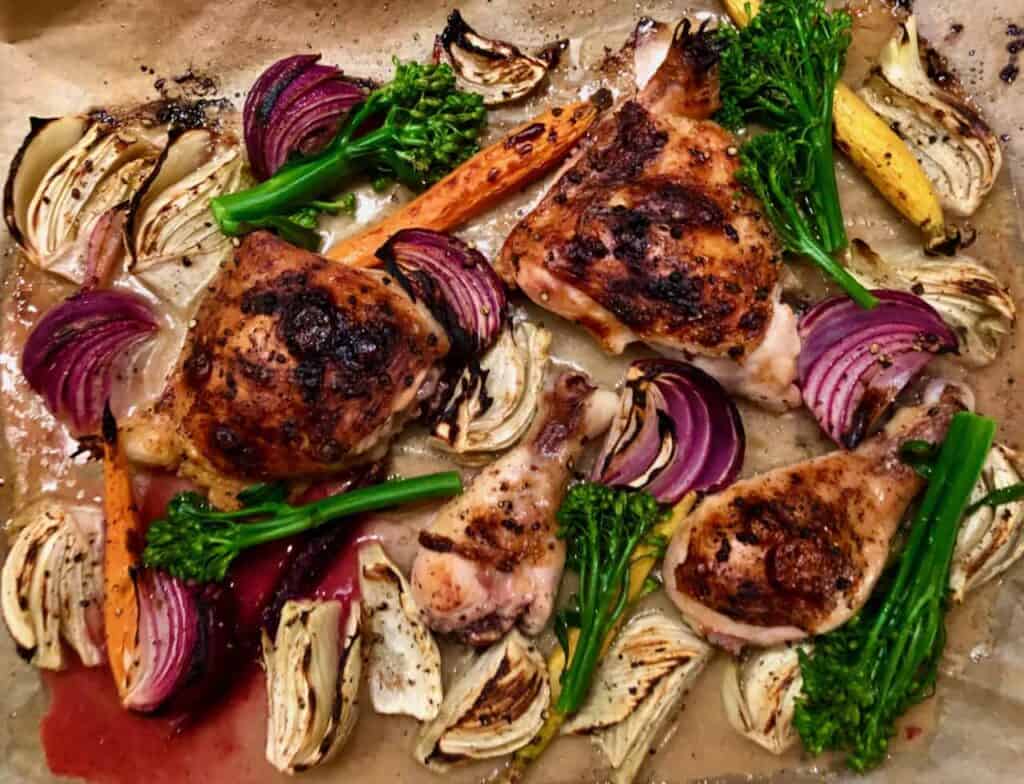
Our Garlicky Lemon Sheet-Pan Chicken tells cooks to line the pan with foil or parchment. Because the chicken is coated in lemon juice and roasted at 425°F, we would now eliminate the foil option. Parchment paper—or a well-oiled bare pan—is the better choice.
This does not mean anyone who previously made the chicken on foil needs to seek medical attention. It simply means we had already listed the better option second.
At 500 Degrees, Let the Pan Do the Work
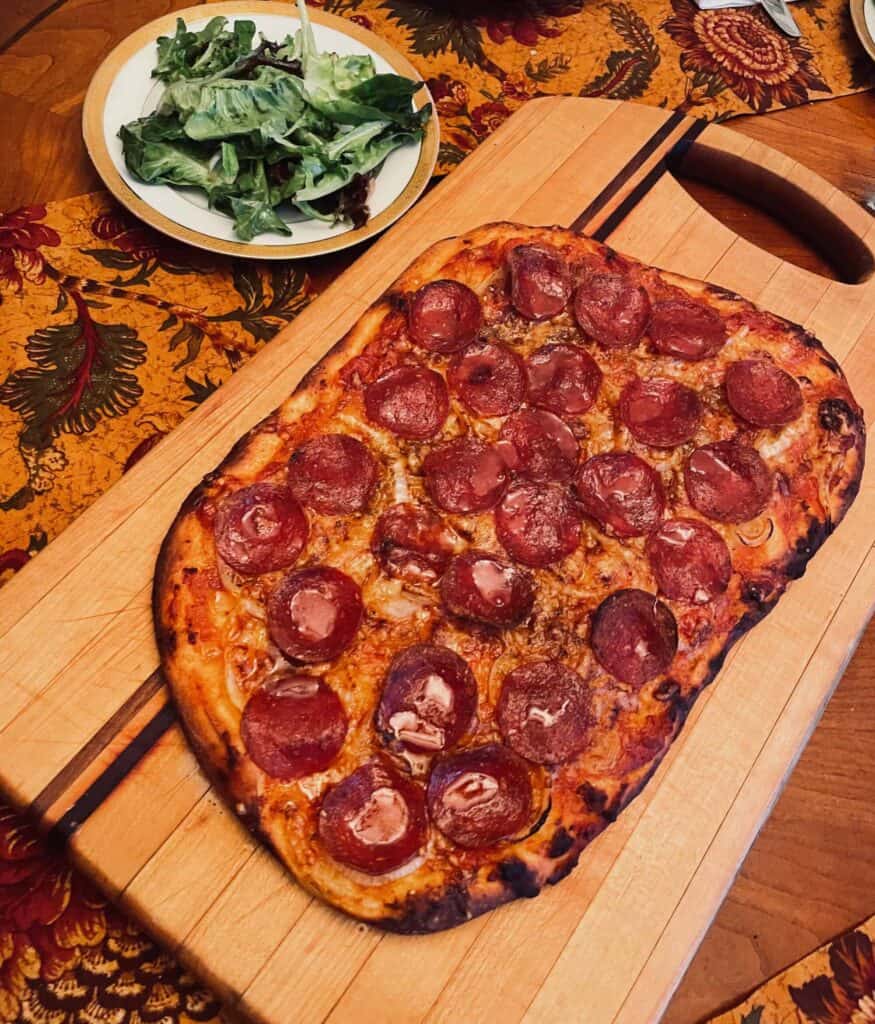 Our Pepperoni Pizza with Spicy Honey Sauce calls for covering a sheet pan with nonstick foil, oiling it and baking the pizza at 500°F.
Some heavy-duty and nonstick foils are rated for temperatures well above 500°F, so the number alone does not make this dangerous. But foil can change the way the bottom of a pizza browns—and parchment is not necessarily the solution because many brands are rated only to 425°F.
Today, we would oil the metal sheet pan and place the dough directly on it. That should give us a beautifully browned bottom crust and leave only one serious danger: eating too much pepperoni before it reaches the pizza.
Better Browning May Be Worth the Washing Up
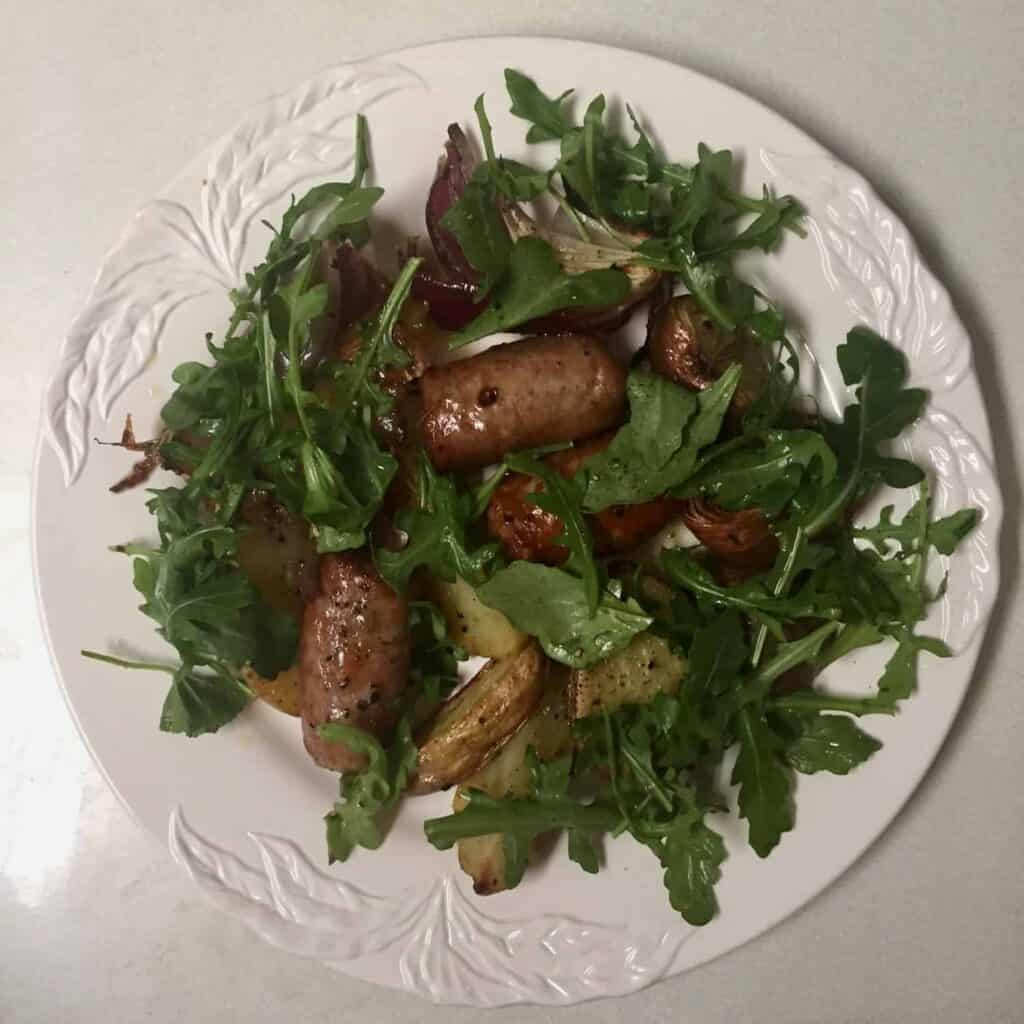
Our Sausage-and-Potato Pan Roast recommends foil because it “basically eliminates the need to clean up after dinner.” We remain deeply sympathetic to this argument.
But sausages, potatoes, onions and shallots develop their best crust when they make direct contact with a hot metal pan. Foil is not particularly troubling here because the ingredients are not highly acidic. Nevertheless, we might now sacrifice an immaculate pan in return for better browning. Sometimes the material you later have to soak off the pan is precisely what made dinner so good.
Foil Still Has Several Very Good Jobs
Not every appearance of foil in our recipe archive requires a correction.
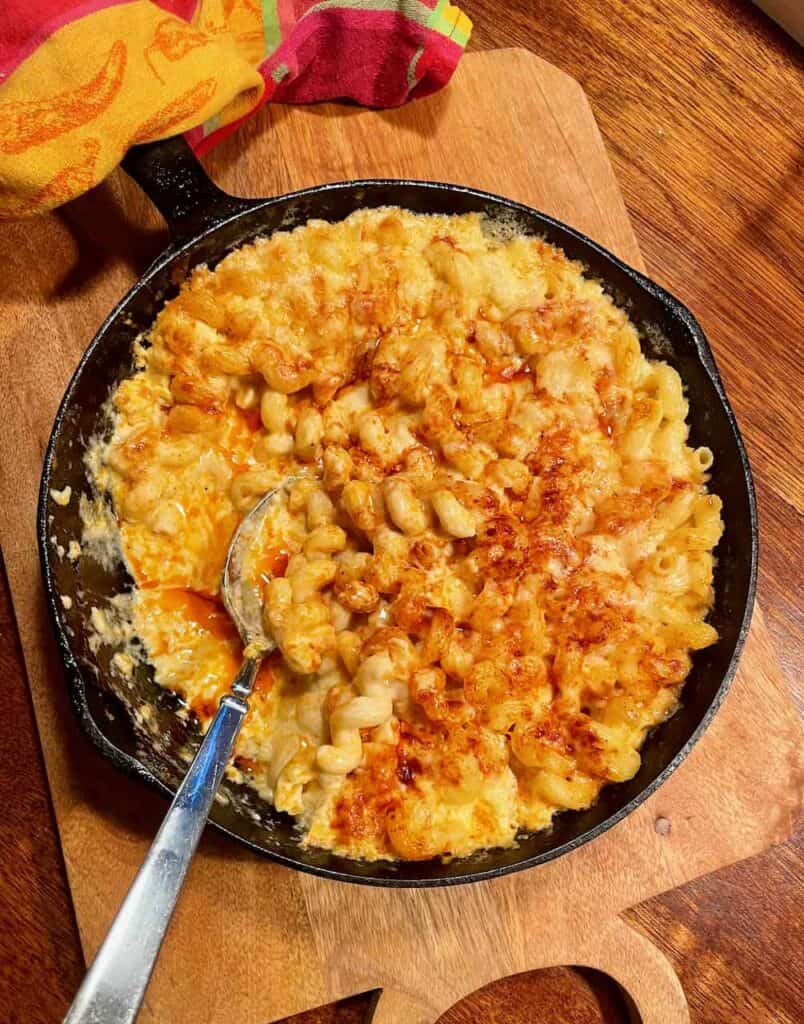
Our Best Mac and Cheese Ever uses foil to cover the baking dish for the first 35 minutes. Here, it acts as a lid, preventing the macaroni from drying out or browning too soon. We would keep it.
Our taco recipes use foil to wrap and briefly warm tortillas. That traps steam and keeps them pliable—another excellent use.
And in our Tomato and Red Pepper Gazpacho, peppers are broiled on foil until their skins blacken. Do not casually substitute parchment under a broiler; it can burn. A bare broiler-safe pan is an alternative, but foil remains useful here.
Leftovers Deserve Something More Substantial
Foil can cover leftovers, but a loosely folded silver roof is not necessarily an airtight seal. For longer storage—particularly with tomato sauce and other acidic foods—we prefer a lidded glass or food-safe container.
The USDA recommends covering leftovers tightly, refrigerating them within two hours and eating refrigerated leftovers within three to four days. Foil is not forbidden; it simply has to be wrapped tightly enough to do the job.
The swan, charming though it may be, is not an approved storage system.
Two Places Foil Should Not Go
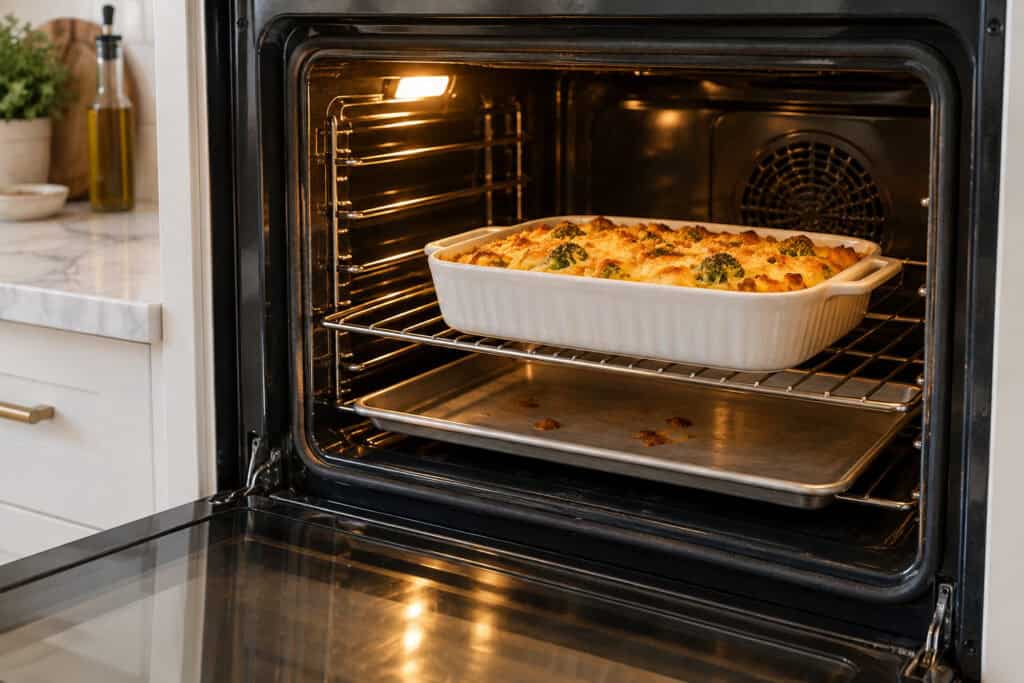
Do not line the bottom of your oven or cover an entire oven rack with foil. It can block airflow, trap heat, damage the oven’s finish and interfere with heating elements. Put a sheet pan beneath a bubbling casserole to catch drips instead.
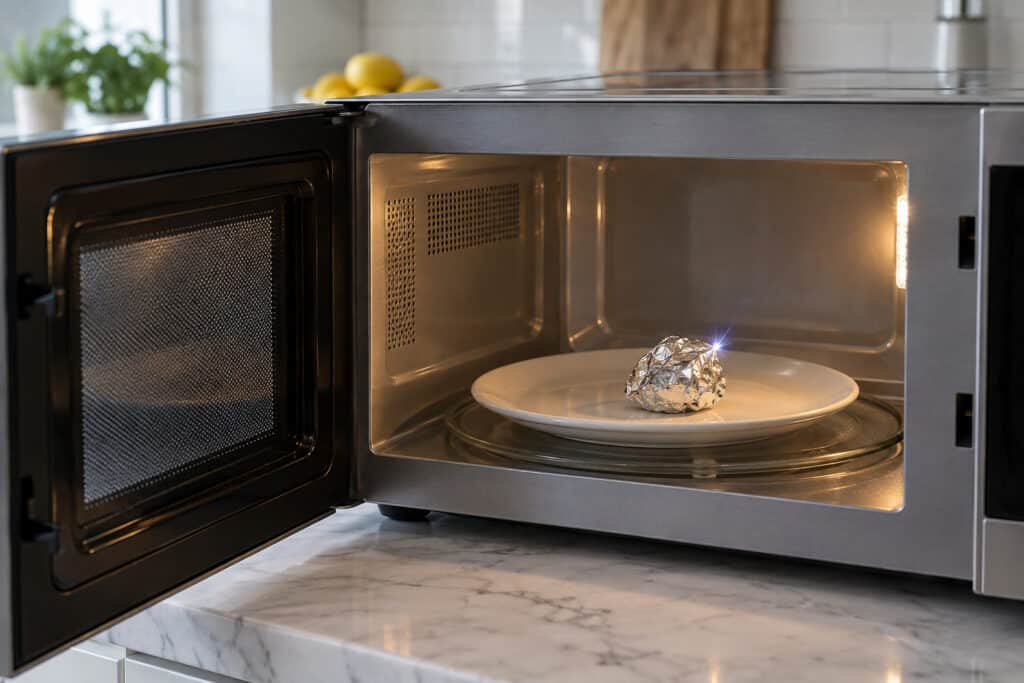
 And for everyday purposes, keep foil out of the microwave. Although the USDA says small, smooth pieces may sometimes be used for shielding food when a microwave’s instructions specifically permit it, this is not the moment for freestyle cooking. One crumpled edge can produce sparks.
The Bottom Line
Our investigation did not end with the ceremonial removal of aluminum foil from the Chewing The Fat kitchens.
Instead, we arrived at a more useful division of labor. Use parchment for baked goods and moderately hot sheet-pan recipes, especially when acidic ingredients are involved. Use glass containers for marinades and leftovers. Let an oiled metal pan handle foods that need serious browning.
Keep foil for covering casseroles, warming tortillas, tenting food and the other jobs it performs exceedingly well.
EatingWell was right to make us reconsider a product we use almost automatically. The real question is not whether aluminum foil is dangerous. It is whether it was ever the best tool for every job.